
Window Replacement: Step-by-Step Process Explained

Removal of Old Windows: Methods and Considerations
Removing existing windows is a key phase that prepares the opening for the installation of new units. This step often involves detaching window sashes, frames, and potentially the surrounding trim or siding. The method selected depends on the construction style of the home, the age and material of the window, and site-specific factors. In the United States, regulations regarding waste disposal, including handling lead paint from older windows, can influence the approach to removal.
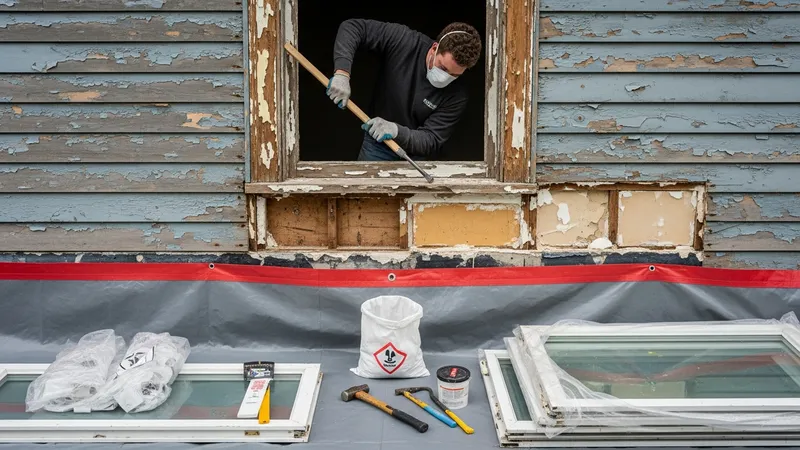
For example, an older wood-framed window may be carefully pried loose to prevent damage to the surrounding structure, whereas vinyl or aluminum windows might be removed in sections. Homeowners or professionals may consider the implications of invasive removal techniques on the underlying wall materials such as drywall, plaster, or sheathing. Experience from industry sources suggests that the more invasive full-frame removals usually require more time and may increase labor costs but can provide improved opportunities for addressing hidden damage.
Waste management and environmental safety become relevant especially for homes constructed prior to 1978, when lead-based paint was commonly used. The Environmental Protection Agency (EPA) in the United States enforces regulations on lead-safe work practices during renovation. Removal procedures may thus require containment and specialized disposal techniques to mitigate exposure risks. Awareness of these regulations can be critical to maintaining compliance and safety during window replacement.
Another consideration during removal is weather protection. Contractors may temporarily seal openings or cover windows during multi-day projects to prevent exposure to elements. This is particularly relevant in regions where weather conditions can vary or deteriorate quickly. Properly timed removal phases and interim protection measures can help reduce the risk of moisture or pests entering the building envelope.