
Window Replacement: Step-by-Step Process Explained

Installation Techniques and Material Choices in Window Replacement
Installation of replacement windows involves securing the new units within the existing or newly prepared openings, followed by sealing and finishing to ensure structural stability and weather resistance. Techniques vary based on the type of window and frame material, as well as the installation method chosen. Installation is generally categorized into full-frame replacement, when the entire window and frame are replaced, or insert replacement, where the new window fits within the existing frame.
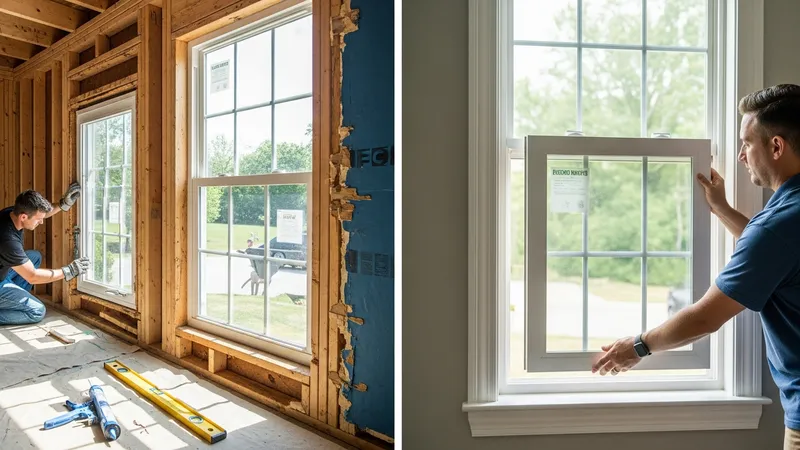
Full-frame installations may involve removing window casings and trim to access and prepare the rough opening thoroughly. This method can allow for extensive repair of framing elements and better insulation opportunities. Conversely, insert installations typically avoid disturbing exterior siding or interior trim, potentially shortening installation time but may limit options for addressing structural concerns. The selection between these techniques often results from inspection findings and homeowner preferences regarding disruption and renovation scope.
Material considerations include attachment hardware, flashing, and sealants. Flashing installation is critical to direct water away from the window system and prevent infiltration. Sealants such as silicone or polyurethane adhesives typically secure final joints and interfaces. Correct installation of these materials can enhance durability and energy performance. Industry guidance suggests verifying manufacturer instructions to align with the window type in use and local climate conditions.
Window installation standards in the United States are sometimes informed by the American Architectural Manufacturers Association (AAMA) specifications, which provide performance criteria and installation recommendations. Adherence to these or similar standards may improve the likelihood that the window will perform adequately over time in terms of water resistance and energy efficiency. Understanding these technical details supports informed planning and execution of replacement projects.