
Window Replacement: Step-by-Step Process Explained

Inspection and Measurement in the Window Replacement Process
Inspection constitutes the initial and foundational step in a window replacement project. This stage involves assessing the condition of the existing window, frame, and surrounding structural components for signs of wear, damage, or mold presence. In the United States, inspectors may follow guidelines that consider both energy efficiency and building integrity, often referencing standards such as those established by the American Society for Testing and Materials (ASTM). A careful inspection can uncover issues requiring repair prior to replacement, such as water damage or wood rot, which might otherwise affect the installation process.
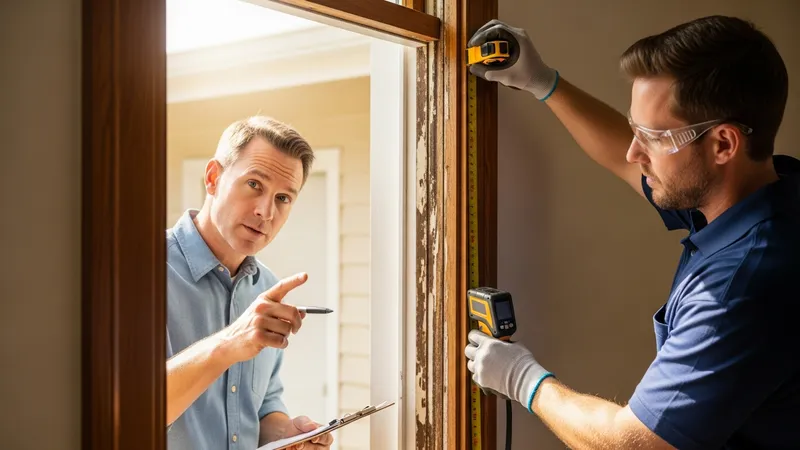
Measurement accuracy typically plays a critical role in ensuring the new window fits properly within the existing wall cavity. Measurement methods can vary but generally require precise recording of width, height, and depth, taking into account any irregularities in the opening. Some professionals use laser measuring tools for increased precision, though manual measuring tapes remain widely employed. Minor variances in measurement can lead to gaps causing air leakage or water intrusion, reducing energy performance. Because of this, it is common for measurements to be taken multiple times for confirmation.
Measurement considerations also include allowances for insulation, shims, and sealing materials. For instance, when measuring for a replacement window insert, dimensions might be slightly reduced compared to full-frame replacement to accommodate the new window fitting inside the existing frame. The choice between measuring for insert or full-frame options often correlates with inspection findings regarding the existing window and frame condition. Understanding these distinctions may assist in aligning expectations for project scope and cost.
In addition, inspection and measurement must sometimes align with local building codes and energy regulations. For example, the U.S. Department of Energy suggests ensuring replacement windows meet specific U-Factor and Solar Heat Gain Coefficient (SHGC) thresholds depending on climate zones to maximize energy efficiency. Such criteria may impact the selection of window types and dimensions during measurement. Compliance with regulations can also require documentation and certification during these early stages of the replacement process.