
Two-Bedroom Housing For Seniors: Key Considerations For Budget-Friendly Living

Government Support and Policy Context in Two-Bedroom Senior Housing
Government programs form a core part of the support structure enabling many seniors in Australia to access affordable two-bedroom housing. State-run public and community housing solutions are designed to support those on fixed or lower incomes, with eligibility assessed based on income, age, and residency criteria. Access can be subject to waiting periods, which vary by region and demand. More information can be found through state housing departments such as Housing Victoria.
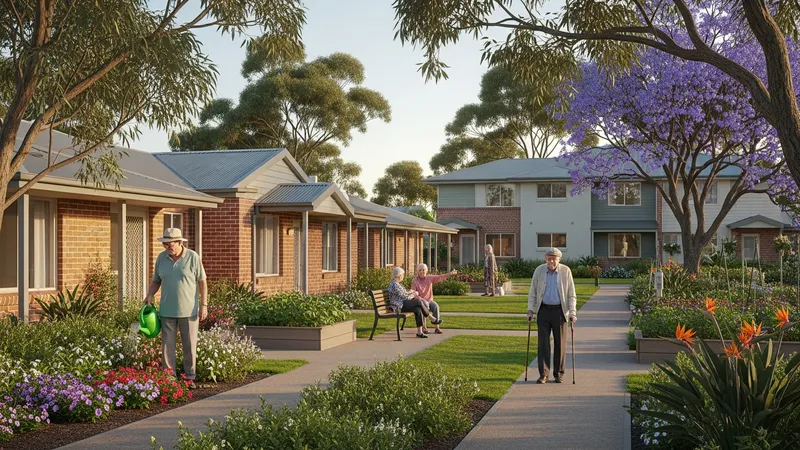
Retirement villages, although primarily privately operated, are governed by state-based retirement village acts. These regulations stipulate resident rights, disclosure requirements, and dispute resolution mechanisms. Understanding the legislative environment may help potential residents appreciate both the protections and compliance obligations associated with village living.
Assistance with purchase or transition into housing is also provided through government initiatives. For example, some states have introduced schemes such as stamp duty concessions for eligible downsizers, or direct support for age pension recipients moving to suitable properties. Government resources such as the Services Australia Seniors page provide details on available programs and eligibility.
On a federal level, programs such as Commonwealth Rent Assistance can offer additional help to eligible renters within the private market, including retirement complexes. The availability and amount of support depend on the individual’s circumstances and tenancy structure, and payments are generally reviewed periodically to reflect changes in living costs.