
Two-Bedroom Housing For Seniors: Key Considerations For Budget-Friendly Living

Planning for Long-Term Affordability in Two-Bedroom Senior Housing
Long-term financial planning is a central consideration for Australian seniors contemplating two-bedroom housing. Calculating ongoing affordability involves accounting for future needs, potential care requirements, changes to personal circumstances, and indexation of costs. Fixed-income residents may benefit from arrangements where rent or site fees are linked to means-tested thresholds, providing some insulation from market fluctuations.
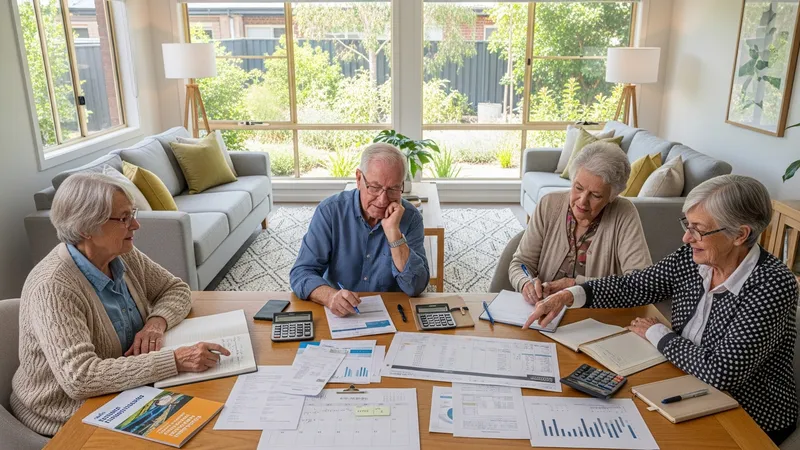
Contract types offered by retirement communities and public housing providers differ in their approach to long-term security. Leases in public housing often offer more stable tenure, while private retirement villages may use complex agreements involving entry contributions, maintenance fees, and exit costs. Clear communication of terms is mandated by law, with resources available for residents seeking clarification.
Downsizing to a two-bedroom dwelling can free up capital if moving from a larger home, potentially allowing older Australians to supplement income or access additional services. Policy changes, such as those relating to superannuation downsizer contributions, are regularly reviewed, and current detail should be confirmed through official sources like the Australian Taxation Office.
Non-profit and advocacy organisations offer tools and advice to assist with forecasting affordability and understanding housing agreements. Accredited financial counsellors and legal services may provide guidance on managing housing expenses while safeguarding rights and interests over time. This comprehensive approach supports informed decisions about senior living arrangements in Australia.