
Two-Bedroom Housing For Seniors: Key Considerations For Budget-Friendly Living

Cost and Maintenance Considerations for Two-Bedroom Senior Housing
The total cost profile for two-bedroom housing in Australia typically includes payment for rent or purchase, ongoing maintenance or site fees, and utilities. In state or territory-managed senior housing, rent is often indexed against income, providing predictable financial outlay. This differs from the private sector, where costs are set by market conditions and amenity levels offered by each community or complex.
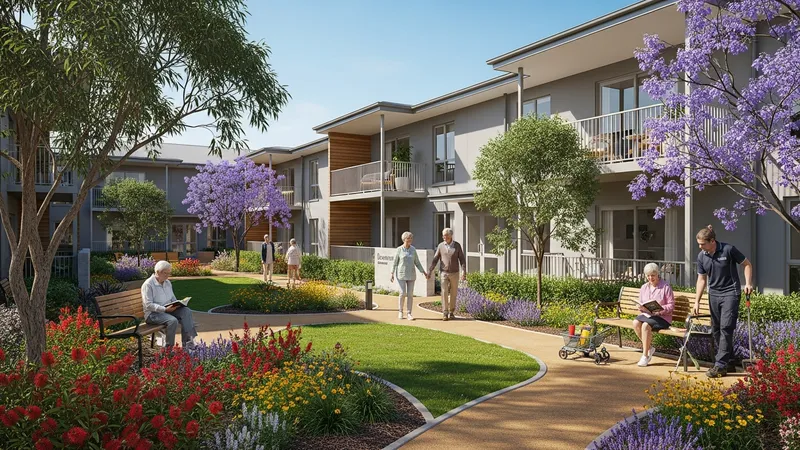
Maintenance expenses may be included as part of a resident’s weekly rent or charged as separate levies. Regular property upkeep, landscaping, emergency repairs, and common-area cleaning are typically covered by these fees. Retirement villages and lifestyle resorts often publish comprehensive disclosure statements detailing what is and is not included.
For older Australians considering a purchase arrangement, it is important to account for exit fees, restoration costs, and potential ongoing levies that may not be immediately apparent in the headline price. Reviewing standard contracts and financial fact sheets supplied by providers or government agencies such as the Australian Securities and Investments Commission (Moneysmart) can aid informed decision-making.
Utility charges in senior housing developments can range from fully included communal arrangements to individually metered billing. Residents are typically responsible for their own electricity, gas, and water expenses, unless otherwise specified in the lease or village agreement. Clear understanding of what is included may reduce risk of unplanned out-of-pocket expenses.