
Sustainable Construction: Key Practices And Environmental Benefits

Environmental Benefits Derived from Sustainable Construction
Sustainable construction practices are generally associated with a range of environmental benefits. Reduced greenhouse gas emissions are a frequently cited advantage, as buildings constructed according to green standards often consume less energy for heating, cooling, and ventilation. Over time, this may contribute to some reduction in the overall carbon footprint of the built environment.
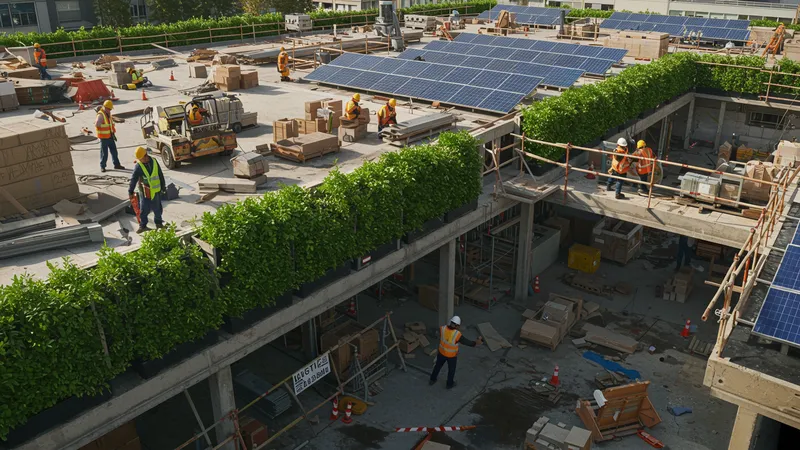
Material conservation is another important outcome of sustainable construction. By utilizing recycled, reclaimed, or sustainably sourced materials, construction teams may help lower the demand for virgin resources and reduce the impacts of extraction on ecosystems. These practices are often encouraged by certification frameworks like LEED and BREEAM.
Improvements in indoor air quality can be realized through the use of non-toxic finishes, efficient ventilation systems, and careful specification of building products. Enhanced air quality may contribute to occupant comfort and productivity, offering benefits particularly valued in settings like schools and offices.
Water management practices included in sustainable construction can lead to reduced stormwater runoff and lower loads on municipal wastewater systems. Techniques such as green roofs, permeable paving, and bioswales may be implemented to mitigate local flooding risks and support urban biodiversity.