
Sustainable Construction: Key Practices And Environmental Benefits

Key Practices in Sustainable Construction
Sustainable construction methods can be characterized by their focus on resource efficiency and reduced environmental load. One of the primary practices includes the selection of eco-friendly materials, which can involve choosing locally sourced, renewable, or recycled options. This process may help decrease transportation emissions and support markets for environmentally preferable products, while also conserving natural resources.
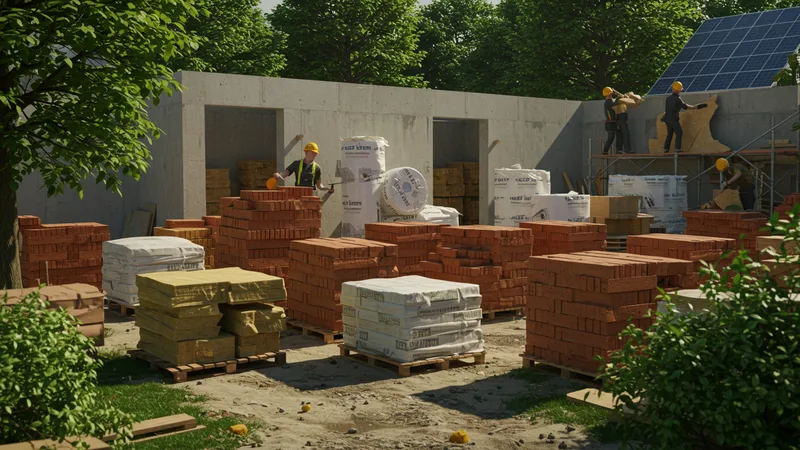
Another critical practice is efficient energy use throughout a building’s lifecycle. Strategies such as passive solar design, high-performance insulation, and advanced lighting controls are used to reduce operational energy demand. When combined with renewable energy sources, these choices often contribute to significantly lower emissions from the built environment over time.
Water conservation technologies are also often integrated into sustainable construction strategies. Installing rainwater harvesting systems, greywater recycling, and low-flow plumbing fixtures can typically reduce potable water use and the demand on municipal supplies. These features may become increasingly valuable in areas facing water scarcity or high utility costs.
Waste reduction is a further priority within sustainable construction. This may involve modular construction techniques, prefabrication, or on-site recycling of construction debris. Such approaches are designed to minimize materials sent to landfill and can contribute to more predictable project timelines and costs.