
Sustainable Construction: Key Practices And Environmental Benefits

Frameworks and Certification Systems for Sustainable Construction
Certification systems like LEED, BREEAM, and the Living Building Challenge provide established criteria for assessing and verifying sustainable construction practices. These frameworks are based on measurable standards covering areas such as energy performance, water management, site stewardship, materials, and indoor environmental quality.
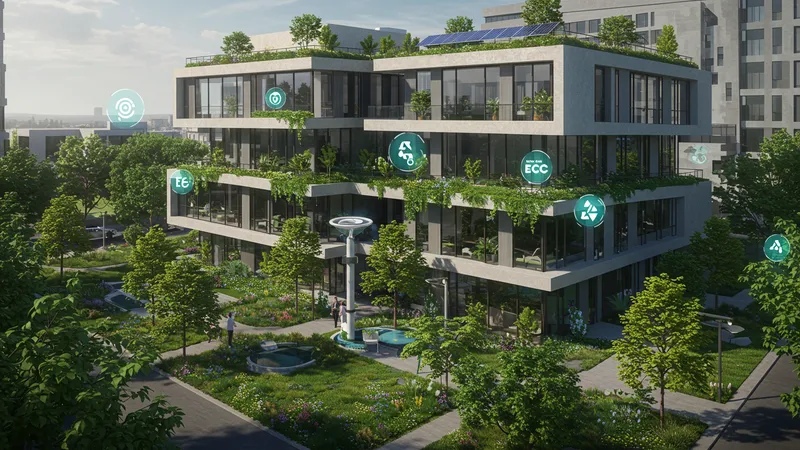
Projects pursuing certification typically begin by registering with the system’s governing body. They then implement various measures to meet predefined thresholds, which may differ by project type and geographic context. Independent third-party assessors often perform reviews and site visits as part of the verification process.
Achieving certification may offer a way for building owners and developers to demonstrate environmental responsibility. These distinctions are increasingly sought by organizations aiming to align with climate goals, respond to policy requirements, or meet stakeholder expectations for transparency.
It is important to note that costs and complexities associated with certification can vary widely depending on project size, scope, and location. Upfront fees, documentation requirements, and consultant involvement should all be considered when evaluating the feasibility of a particular certification pathway.