
Stair Lifts: How Home Stairlift Systems Work

Operating Mechanisms and Control Options in Stair Lifts
Stair lifts employ several operating principles to enable user-controlled vertical movement along stairs. The control mechanisms are important components dictating how users interact with the system and influence user accessibility. These controls generally function through wired or wireless systems and vary in complexity and functionality.
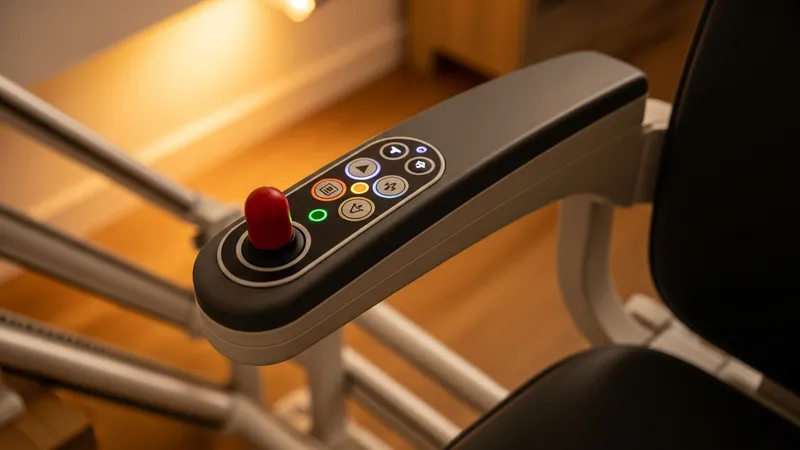
Most stair lifts have onboard control panels integrated into the armrest or side panels of the chair, featuring buttons that allow users to initiate movement upward or downward. These controls are typically designed with simplicity in mind to accommodate users with limited dexterity or vision. Some systems include tactile buttons or illuminated indicators for ease of use in varied lighting conditions.
Remote controls are also a common option, allowing operation from a distance, such as from the upper or lower floor. These handheld devices usually communicate wirelessly with the stair lift system and may include safety interlocks to prevent unintended movements. This feature can be useful for caregivers or residents who may wish to park or summon the lift remotely.
Additional operating mechanisms may include obstacle detection sensors that automatically stop the lift if an obstruction is detected on the stair path during operation. Safety interlocks often prevent the lift from operating if the seat swivel mechanism is not locked or if the footrest is not in position. Such mechanisms contribute to reducing risks during use.