
Stair Lifts: How Home Stairlift Systems Work

Key Components of Stair Lift Systems and Their Functions
A stair lift system typically integrates several essential components that work cohesively to ensure functionality and safety. Understanding these parts provides insight into how they contribute to overall operations and user experience. The main elements include the motor, rail, chair or platform, control interface, and safety features.
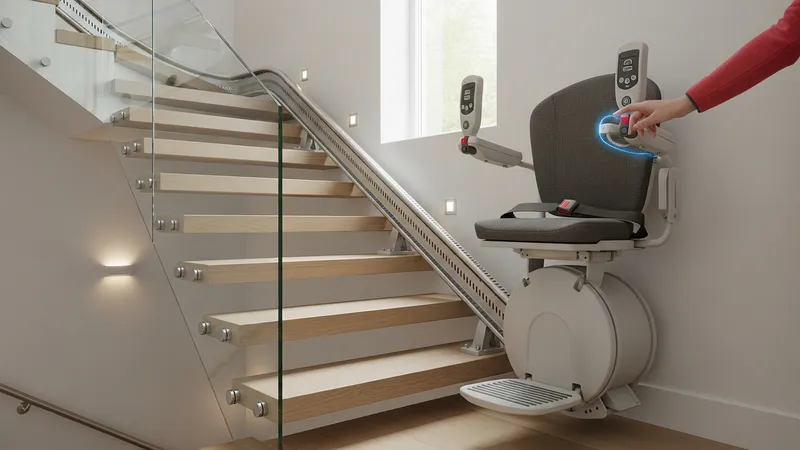
The motor serves as the prime mover, usually an electric actuator that drives the stair lift chair or platform along the rail. Motors are often designed for smooth acceleration and deceleration to prevent sudden movements. Depending on the model, the motor may be powered by direct electrical connection from the mains or from rechargeable batteries, allowing the lift to function during power outages.
The rail acts as the guided track or pathway along which the chair or platform moves. Made from durable materials such as steel or aluminum, rails are installed along one side of the staircase. For curved staircases, the rails are custom fabricated to fit the geometry accurately. Rails often incorporate safety switches and mechanical stops to prevent movement beyond designated points.
The chair or platform carries the user safely during movement. Chairs include seating, armrests, and footrests, designed for ergonomic support and user comfort. Platform lifts consist of a flat surface and may include safety barriers. Both types generally feature seat belts or restraints that help secure passengers during transit.