
Stair Lifts: How Home Stairlift Systems Work

Types of Stair Lift Configurations Commonly Available
Stair lifts may be broadly categorized based on the physical structure of the staircase and the lift mechanism. The primary types include straight rail stair lifts, curved rail stair lifts, and platform stair lifts designed for wheelchair users. Each type serves specific architectural and user needs and is engineered accordingly to accommodate these variables.
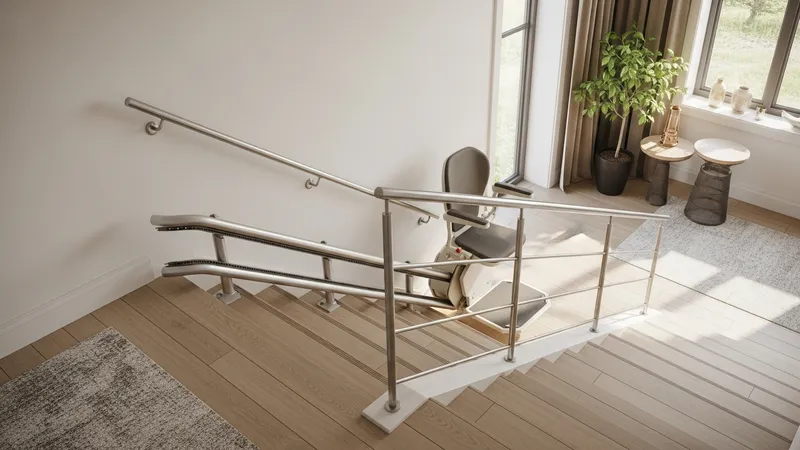
Straight rail stair lifts typically constitute the simplest design. Their rails are installed in a direct line along the staircase, favoring staircases without bends or landings. These systems may incur lower material and installation costs due to their standardized components and typically shorter installation time compared to curved variants. They are widely used in single-flight stairs within residential buildings.
Curved rail stair lifts are customized to follow the precise geometry of staircases with turns, intermediate landings, or irregular shapes. The rails are often segmented and can include features like swivel seats or motorized footrests to enhance user comfort. Due to their tailored build, these can require more detailed on-site assessment and specialized manufacturing, which often influences pricing and lead times.
Platform stair lifts cater to individuals using wheelchairs, providing a flat surface that can support the wheelchair securely during stair transit. These lifts tend to require more space and structural support, as their design needs to cater to heavier loads and accommodate safe boarding and disembarking. Installation usually involves careful integration with the home’s architectural features and consideration of the staircase’s width.