
Stair Lifts: How Home Stairlift Systems Work

Factors Affecting Installation and Maintenance of Stair Lifts
Installation of stair lifts involves several considerations based on the specific characteristics of the home staircase and intended user requirements. Factors influencing installation complexity include the staircase’s architectural design, dimensions, and structural integrity, as well as the presence of features such as handrails or landings.
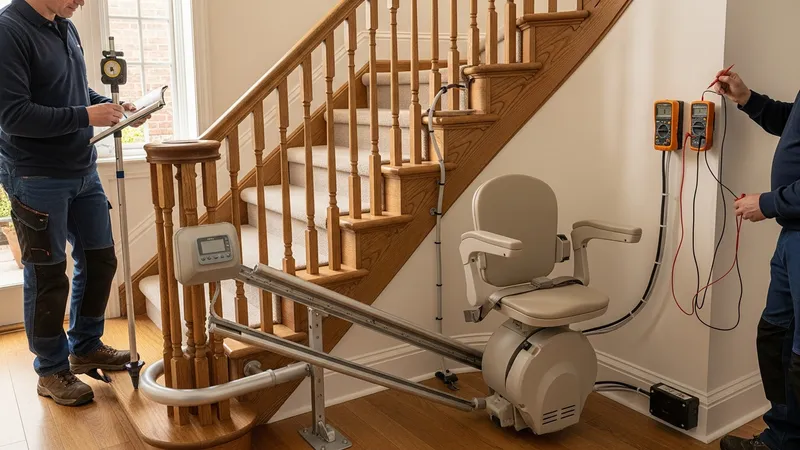
Specialized surveyors often assess the staircase to determine the best rail configuration and mounting method. The weight capacity and dimensions of the stair lift chair or platform must be matched to user needs and available space. Electrical wiring or batteries must comply with local electrical standards, and installation processes usually require a period of adjustment and testing to ensure smooth operation.
Maintenance of stair lifts typically involves periodic inspections and servicing to check motor function, rail integrity, electrical components, and safety systems. Users may be advised to keep rails free of dust and debris to prevent operational issues. Some stair lift models include diagnostic features that indicate when service may be needed.
In France, stair lifts must conform to certain national standards and regulations related to electrical safety and mechanical stability. Local authorities or accredited technicians often handle installation and maintenance to ensure compliance and safe functioning. These processes can help prolong the operational life of stair lifts and support reliability for users.