
South Korea Skin Care Products: Key Ingredients And Formulation Insights

Formulation Techniques and Layered Application Strategies
South Korean skin care formulations often employ layering strategies involving multiple products applied in a specific sequence. This approach can facilitate progressive skin conditioning through steps typically including cleansing, toning, essence application, serum treatment, moisturizing, and sun protection. Each step generally serves a distinct function, often supported by the standardized concentrations of active ingredients suited for the intended stage.
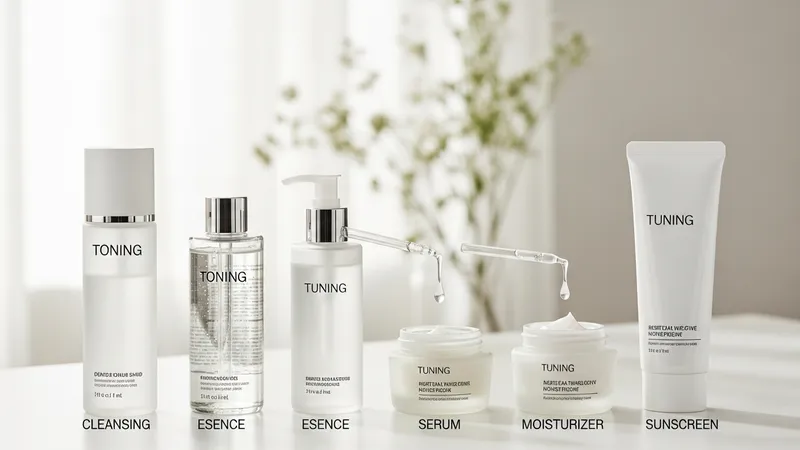
The layered application may allow formulations with different viscosities and ingredient types to be absorbed sequentially without excessive product dilution or irritation. Products like essences are typically light and absorbed quickly, potentially followed by serums that deliver concentrated actives, and finalized with moisturizers to seal in hydration. This structured routine corresponds with formulation designs that anticipate such progressive usage.
Formulators may also focus on the pH compatibility between layers to preserve skin’s acid mantle integrity. Maintaining an appropriate pH level can be essential in reducing potential irritation or disruption of the skin barrier during repetitive product applications. Many formulations are adjusted within the pH range between 4.5 and 6.0, which is often considered compatible with natural skin conditions.
Another formulation consideration is the reduction or elimination of potentially irritating ingredients such as certain alcohols, synthetic fragrances, or harsh preservatives. This practice supports the gentle layering philosophy, whereby multiple products can be applied daily without increasing cumulative irritation risk. Overall, the formulation approach integrates the concepts of compatibility, gradual enhancement, and ingredient synergy within a cosmetic framework.