
South Korea Skin Care Products: Key Ingredients And Formulation Insights

Distinctive Key Ingredients in South Korean Skin Care Products
Key ingredients often found in South Korean skin care products typically reflect a blend of traditional botanical sources and contemporary cosmetic chemistry. For example, Centella asiatica extract is commonly present for its reputed soothing properties, although such effects are not medically guaranteed. Niacinamide is another prevalent component, often incorporated for its potential role in skin tone regulation through cosmetic mechanisms identified in studies. These ingredients are frequently combined with humectants such as hyaluronic acid, which may aid in moisture retention by attracting water within the skin’s outer layers.
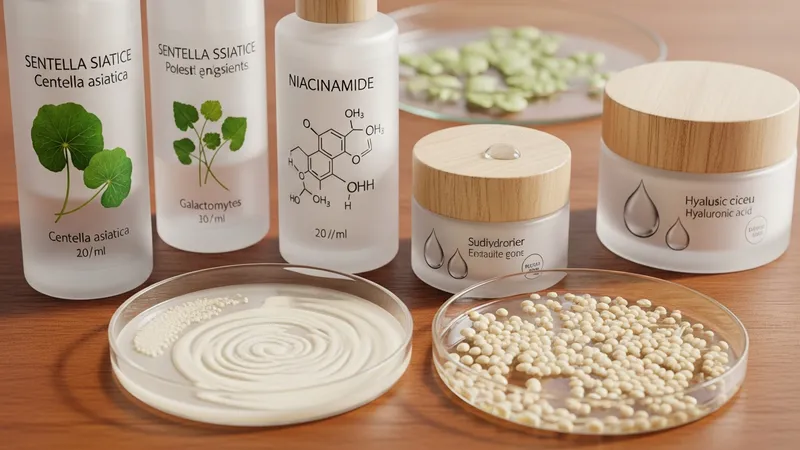
Fermentation is a distinctive process applied to some botanical ingredients in these products, intended to break down complex molecules into smaller, more bioavailable forms. Fermented ingredients like galactomyces or bifida ferment lysate can be components in certain formulations, often featured for their compatibility with the skin barrier. This technique reflects a trend within product development that aims to increase ingredient efficacy without resorting to harsh additives.
Additionally, antioxidants such as green tea extract and licorice root extract often appear in these products, utilized for their capacity to counteract external environmental factors that may influence skin appearance. Such antioxidants are commonly presented in concentrations consistent with cosmetic safety regulations in South Korea. Their inclusion reflects ongoing research interest in combining traditional botanicals with scientifically supported components.
Overall, the ingredient profiles of these products tend to align with cosmetic purposes aimed at smoothing, hydrating, and maintaining skin appearance. While ingredient transparency allows for detailed composition analysis, the actual impact of these components may vary individually and does not constitute medical claims. The selection and combination of ingredients typically adhere to regulatory standards enforced within South Korea.