
South Korea Skin Care Products: Key Ingredients And Formulation Insights

Regulatory and Research Influences on Formulation Development
The regulatory environment in South Korea plays a significant role in shaping skin care product formulations and ingredient disclosures. The Ministry of Food and Drug Safety (MFDS) sets standards that govern permissible ingredients, concentrations, and labeling requirements. These regulations encourage transparent ingredient listing and prohibit deceptive claims, contributing to consumer awareness and product consistency across the market.
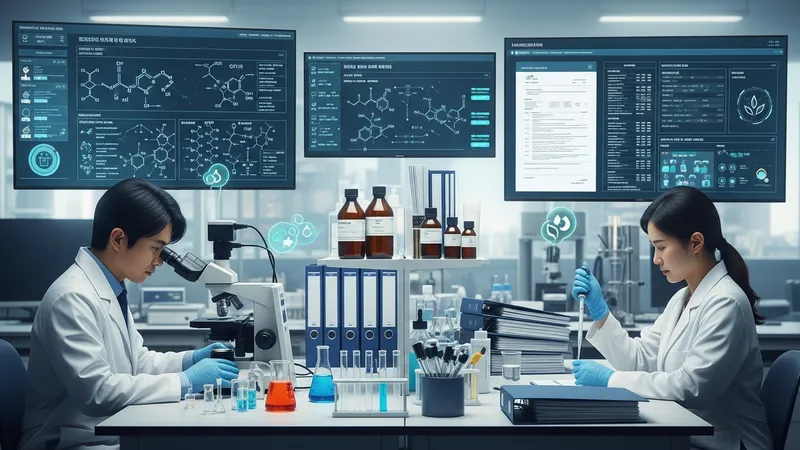
Scientific research conducted within South Korean cosmetic companies and institutions often focuses on ingredient safety, stability, and consumer acceptability rather than therapeutic efficacy. Many formulations are developed in alignment with published safety data and internal testing that evaluate irritability and photostability. Research outcomes frequently inform ingredient inclusion criteria and the choice of delivery systems to enhance skin compatibility.
Emerging trends in formulation research in South Korea also explore the integration of biotechnology, such as the use of biofermentation and encapsulation technologies. These technologies aim to improve the stability and delivery of active ingredients within diverse skincare matrices. While such methods show potential for optimizing cosmetic performance, their actual effects on individual skin may vary.
Additionally, the focus on ingredient transparency can be linked to regulatory frameworks that require detailed labeling and restrict the use of unauthorized additives. This environment supports consumer ability to review and compare products based on compositional information. The combination of regulatory oversight and research-driven formulation practices contributes to the ongoing development of products that align with evolving cosmetic science insights.