
Soundproof Glass: How Acoustic Insulation Works In Modern Windows

Role of Interlayers and Material Choices in Soundproof Glass
Interlayers are a critical part of laminated soundproof glass, directly influencing how well a window manages acoustic energy. The use of polyvinyl butyral (PVB) modified for sound absorption is typical, though some products integrate other polymers. These specialized films are designed to convert vibrational sound wave energy into minimal heat, reducing the amount transmitted through the window assembly.
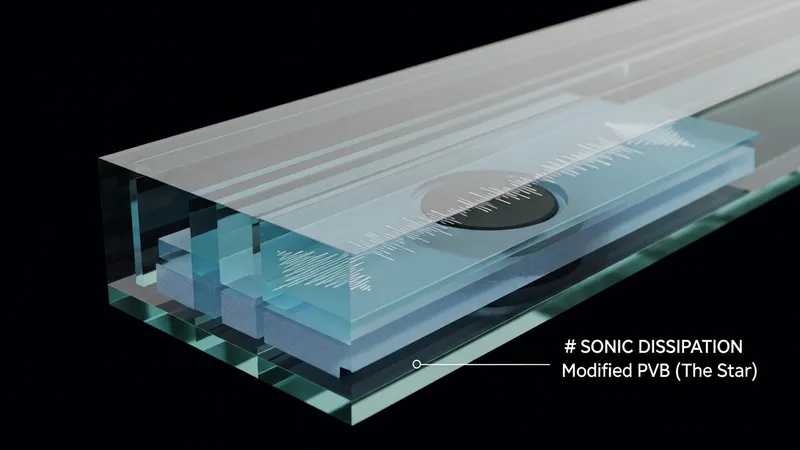
Material selection for the glass itself also plays an important part. For example, some installations include panes of different thicknesses within a single unit. This asymmetrical approach targets multiple sound frequency ranges, as frequencies that pass more readily through a thinner pane may be mitigated by a thicker one. Manufacturers may specify these thickness ratios based on measured or expected noise types.
Advances in polymer science have expanded the range of available interlayer materials. Acoustic interlayers may now include viscoelastic compounds or multilayered films, adapting to evolving building and environmental needs. The choice of interlayer is typically determined through laboratory testing to gauge its effect on a range of frequencies associated with urban, industrial, or transportation noise.
Window unit performance can be further affected by the addition of secondary coatings or films applied to glass surfaces, which may be selected based on project-specific sound and thermal control priorities. Each of these components works together to form a comprehensive approach to acoustic insulation while supporting additional functional goals, such as impact resistance and UV protection.