
Soundproof Glass: How Acoustic Insulation Works In Modern Windows

Installation and Design Considerations for Acoustic Glazing
Proper installation is fundamental to achieving the intended performance of soundproof glass systems in modern windows. Even high-specification glazing can underperform if gaps, framings, or seals around the window unit are not carefully addressed. Installation guidelines often emphasize robust perimeter sealing and the use of acoustically rated frames.
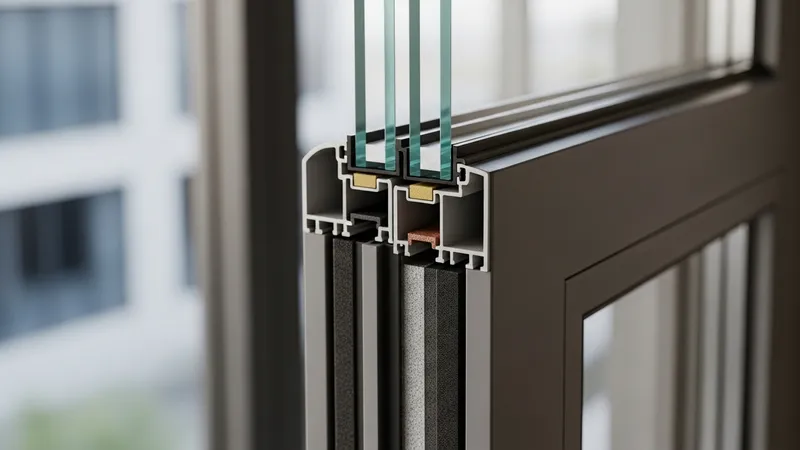
Designers typically consider the total window assembly, not just the glass, when targeting improved sound reduction. This includes frame materials (such as PVC, wood, or aluminum) and the use of secondary seals or dampening materials. Frames can transmit vibrations if not insulated, and careful frame selection may contribute to the broader acoustic performance of the full system.
The orientation and placement of windows in a building may also influence their effectiveness at managing external noise. For example, positioning windows away from direct exposure to busy roads or using facade shielding techniques can serve as additional strategies. These decisions are often made during the architectural planning stage to harmonize acoustic goals with other building requirements.
Project planning frequently integrates both local environmental measurements and digital modeling to estimate internal sound levels after window installation. This approach assists designers and builders as they match glass specifications—such as total thickness or interlayer type—to anticipated site-specific noise profiles in pursuit of regulatory or voluntary acoustic targets.