
Soundproof Glass: How Acoustic Insulation Works In Modern Windows

Layered Glass Constructions in Acoustic Insulation
One of the primary approaches to sound reduction in modern windows is the use of layered glass constructions. These configurations typically involve two or more panes separated by specific spacers, with at least one pane usually incorporating a laminated assembly. The inclusion of these layers increases the total mass of the window, which can play a crucial role in blocking airborne sound transmission.
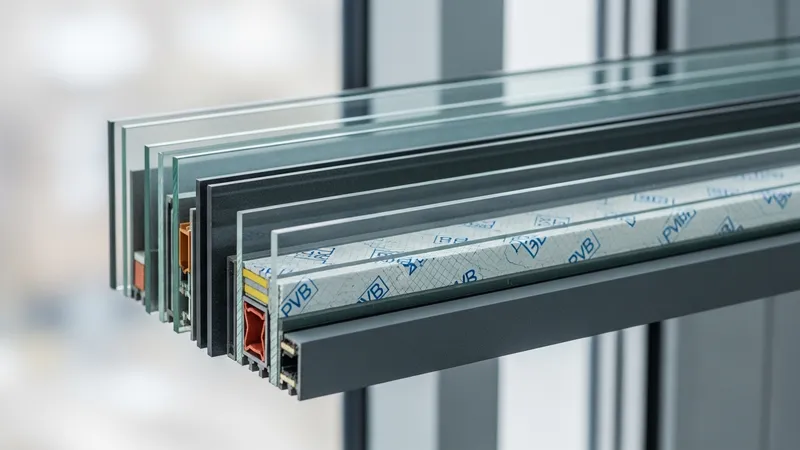
The performance of multi-layered glass is affected by both the thickness of the individual panes and the composition of interlayers. Laminated glass often utilizes plasticized films or resins, such as PVB, which can absorb a portion of the vibrational energy created by incoming noise. The function of these interlayers is not only to physically connect the panes but also to act as an internal dampener.
Spacing between panes is another notable factor. In double- or triple-glazed systems, the presence of an air or inert gas gap can disrupt the path of sound waves. Optimal spacing distances are determined by balancing both acoustic and thermal considerations, and manufacturers may adjust these values based on building codes or project-specific needs.
Layered constructions are favored in areas exposed to notable exterior noise sources. In urban settings with dense vehicle or aircraft traffic, multi-pane solutions featuring laminated glass are commonly seen as a viable method to support regulated internal noise levels. Material selection and thickness strategies often vary according to the local sound environment and design objectives.