
Roofing Selection: Key Factors For Choosing Durable Materials

Installation practices, roof structure, and their effect on longevity
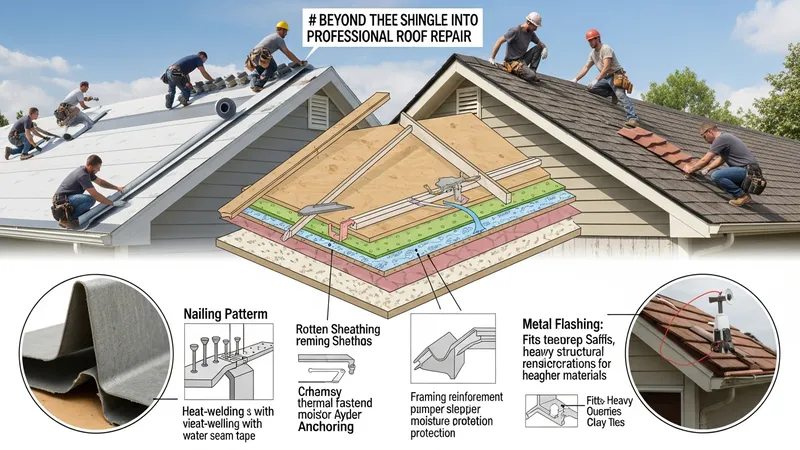
Installation quality often strongly influences how long a roof will perform in U.S. settings. Proper nailing patterns, fastener types, adhesion techniques, and sealing methods are commonly specified in manufacturer instructions and referenced by U.S. building codes or standards organizations. Poorly executed laps, insufficient fasteners, or incorrect flashings can accelerate failures, regardless of material quality. Using installers familiar with local climatic demands and with access to relevant product listings and testing data can reduce the risk of premature deterioration.
Roof structure and slope determine the types of products suitable for a given house. Low-slope systems in the United States usually require membrane roofing rated for low slopes, while steeper slopes accept shingles, tiles, and metal panels. The roof deck condition—presence of rot, uneven sheathing, or compromised framing—may necessitate repairs before installing a durable covering; neglecting deck repairs can shorten the effective life of any material. Load-bearing capacity is particularly relevant when considering heavier coverings like clay tile or natural slate, as framing reinforcement may be needed to meet U.S. structural safety practices.
Moisture management through flashing details, underlayment selection, and ventilation often affects material longevity. In many U.S. climates, controlling attic temperatures and condensation risk can reduce thermal stress and moisture-related decay. Underlayments that provide secondary water-shedding may protect against wind-driven rain, and properly integrated step and counterflashings can limit leakage at penetrations. These assembly-level considerations are commonly addressed in U.S. roofing guidelines and can influence warranty applicability when followed as directed.
Inspection and quality assurance practices during and after installation can improve long-term outcomes. Pre-installation checks of deck flatness and substrate integrity, mid-job verification of fasteners and flashing integration, and post-installation documentation of materials and ratings can support future maintenance and insurance claims in the United States. Periodic professional inspections that record observed conditions may help plan maintenance before minor issues develop into larger problems, thereby supporting expected material performance over time.