
Roofing Selection: Key Factors For Choosing Durable Materials

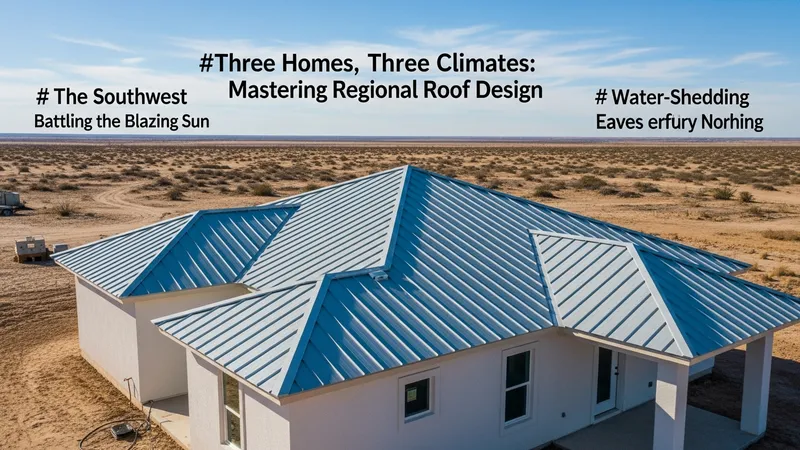
Climate, regional considerations, and material selection in the United States
Regional climate patterns in the United States often shape which materials perform well in practice. In hot, arid areas of the Southwest, materials that resist thermal expansion and UV degradation may be prioritized, and lighter-colored or reflective surfaces can reduce heat transfer into buildings. In humid Gulf Coast regions, corrosion resistance and resistance to wind-driven rain are commonly significant factors. Northern climates with freeze–thaw cycles may require materials and installation details that limit water ingress and accommodate ice-damming tendencies, often through appropriate eave protection and ventilation practices.
Exposure to extreme weather events influences typical insurance and code considerations in different U.S. regions. Coastal areas may reference higher wind design loads in local codes, and some jurisdictions require specific attachment or uplift-resistant details. Hail-prone regions of the central United States often see increased interest in impact-resistant classifications for coverings. Understanding regional risk patterns and reviewing local building code amendments or community hazard mitigation resources, such as county storm mitigation plans, can help align material selection with expected environmental challenges in that area.
Local availability and contractor experience in U.S. markets vary and can affect practical durability. Certain materials, like clay tile or natural slate, may be extensively used in particular states or metropolitan areas, resulting in a deeper local supply chain and installer familiarity. Conversely, less common systems may require sourcing skilled installers from outside the immediate region, which can affect scheduling and cost. Checking local product listings and installer certifications familiar with regional practices is often part of a prudent planning process.
Energy performance and reflectivity considerations also differ across U.S. climate zones. Cool roof properties are more frequently referenced in hot climates and may be supported by local incentive programs or energy codes in some U.S. municipalities. Conversely, in colder climates the influence of roof color on heating energy may be reduced, while durability under snow and ice becomes more prominent. Evaluating energy and durability factors together can yield balanced choices aligned with local climate characteristics.