
Recurring Revenue: Understanding Subscription-Based Business Models

Operational and technical considerations for managing recurring revenue
Operational systems for subscription management commonly include billing engines, customer relationship systems, and analytics platforms. Billing engines handle invoicing, retries, proration, and plan changes; CRM systems track subscriber interactions and support history; analytics platforms aggregate metrics such as MRR and churn. Integration among these systems can streamline workflows and improve data consistency, though integration complexity and resource requirements typically scale with the breadth of features and the size of the subscriber base.
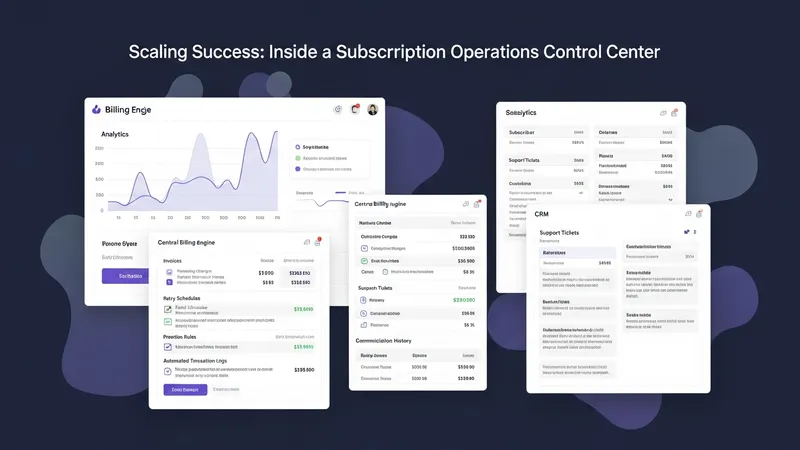
Payment reliability and dispute handling are practical operational concerns. Failed payments can meaningfully affect captured revenue if not managed with appropriate retry schedules, customer notification, and escalation paths. Dunning policies—formalized sequences of communication and retry attempts—are often designed to balance recovery with customer experience considerations. For physical goods subscriptions, logistics coordination, inventory forecasting, and return handling also form part of the operational stack and interact with subscription cadence to influence costs and delivery expectations.
Security, compliance, and data governance are frequent considerations in subscription operations. Providers often implement strong access controls, encrypted storage for sensitive fields, and routine auditing to reduce risk. Regulatory frameworks for data protection vary by jurisdiction; adopting privacy-by-design practices and clear data retention policies can reduce exposure. For payment processing, adherence to applicable payment security standards and careful vendor selection are commonly treated as core elements of an operational risk management approach.
Automation and monitoring help scale subscription operations without proportionally increasing manual effort. Automated lifecycle events (trial expiration, renewal reminders), alerting for anomalous payment patterns, and self-service portals for subscribers can reduce repetitive support requests. Instrumenting key metrics and operational logs typically enables faster problem resolution and continuous improvement, while recognizing that automation design should incorporate exceptions handling and human oversight where necessary.