
Recurring Revenue: Understanding Subscription-Based Business Models

Customer lifecycle and retention metrics for subscription models
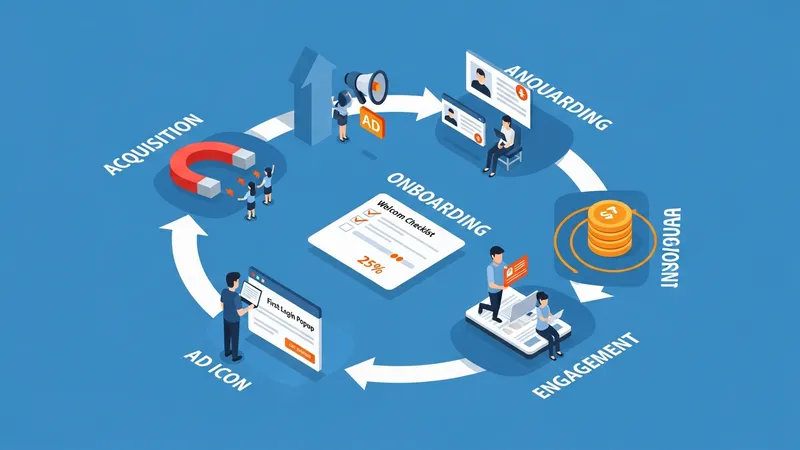
Understanding customer lifecycle stages—acquisition, onboarding, engagement, retention, and exit—is central to managing subscription revenue. Onboarding experiences that quickly demonstrate value often correlate with lower early churn; engagement metrics such as active usage, feature adoption, and support interactions can serve as early signals of customer health. Retention-focused activities typically include periodic value reminders, updates tied to features used, and responsive support. While specific tactics vary by sector, the underlying goal is to align continued access with demonstrable ongoing value for subscribers.
Churn measurement is commonly expressed on a monthly or annual basis depending on billing cadence and business needs. Churn rates may vary widely across consumer and business segments, with enterprise relationships often showing lower monthly churn and consumer services exhibiting higher volatility. Cohort analysis allows businesses to compare retention patterns across groups by acquisition channel, plan type, or timeframe. Interpreting churn in context—relative to acquisition economics and expected customer lifetime—helps organizations assess whether retention initiatives are affecting long-term sustainability.
Lifetime value (LTV) and average revenue per user (ARPU) are frequently used in conjunction to evaluate the economic balance between acquisition costs and recurring inflows. LTV typically aggregates expected future revenue from a customer cohort, often discounted or adjusted for churn assumptions, while ARPU measures average revenue generated per subscriber in a period. These metrics are sensitive to assumptions and should be calculated transparently, noting that projections may change as the business and market conditions evolve rather than presenting guaranteed outcomes.
Segmentation and personalized service models are practical considerations for retention. Different subscriber groups may respond differently to pricing, communication frequency, and support channels; therefore, targeted onboarding, tiered support, or tailored feature bundles may be used as considerations rather than prescriptive rules. Regularly reviewing engagement data and feedback loops helps inform adjustments, which are typically implemented incrementally and measured to understand effects on churn and revenue stability.