
Recurring Revenue: Understanding Subscription-Based Business Models

Accounting, legal, and governance aspects of subscription revenue
Accounting for subscription revenue frequently involves recognizing income over the period the service is delivered rather than at the time of receipt when payment is received in advance. Many accounting frameworks encourage allocation of transaction price to performance obligations and recognition over time as obligations are satisfied. This approach often results in deferred revenue balances on the balance sheet that are released to revenue in future periods as service obligations are performed, and companies typically disclose relevant policies in financial statements to maintain transparency.
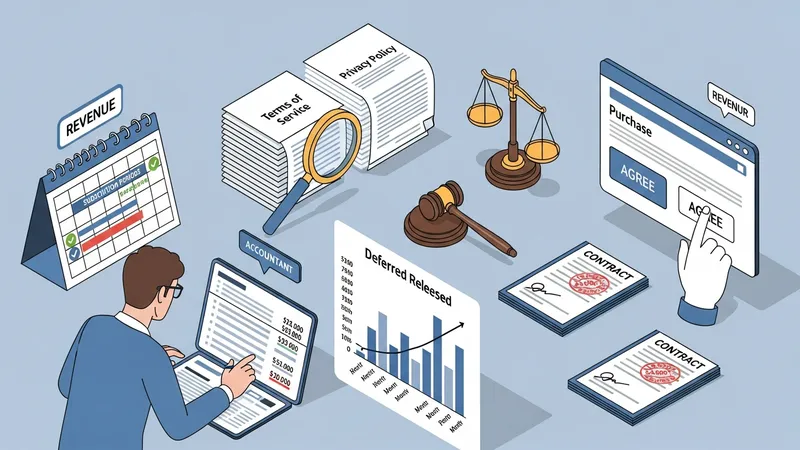
Contract terms determine many legal and governance implications of subscriptions. Clear definitions of renewal mechanics, cancellation rights, refund conditions, and service levels reduce ambiguity. Providers commonly ensure terms of service and privacy policies are accessible at the point of purchase and that consent or agreement capture aligns with applicable consumer protection and contract law requirements. Legal review of standard contract templates is a customary governance step for organizations that manage recurring customer agreements at scale.
Tax and regulatory compliance are recurring considerations that may vary by jurisdiction and by the nature of the delivered product or service. Sales tax, value-added taxes, and other indirect taxes can apply to recurring charges in different ways; providers often implement tax engines or consult specialists to determine obligations. Data protection and consumer rights laws may also affect billing practices, notice periods for renewals, and data processing agreements, and firms typically treat compliance as an ongoing responsibility rather than a one-time task.
Internal controls, audit readiness, and disclosure practices contribute to governance around subscription revenue. Companies commonly establish controls over billing changes, revenue recognition workflows, and reconciliations between billing systems and general ledger balances. Periodic internal or external audits can verify adherence to stated policies and identify areas for improvement. Ongoing monitoring and clear documentation of processes help maintain consistent treatment of recurring revenue in financial reporting and stakeholder communications.