
Pumps And Fluid Handling Equipment: Key Types, Applications, And Selection Factors

Selection factors and technical considerations for Italian operations
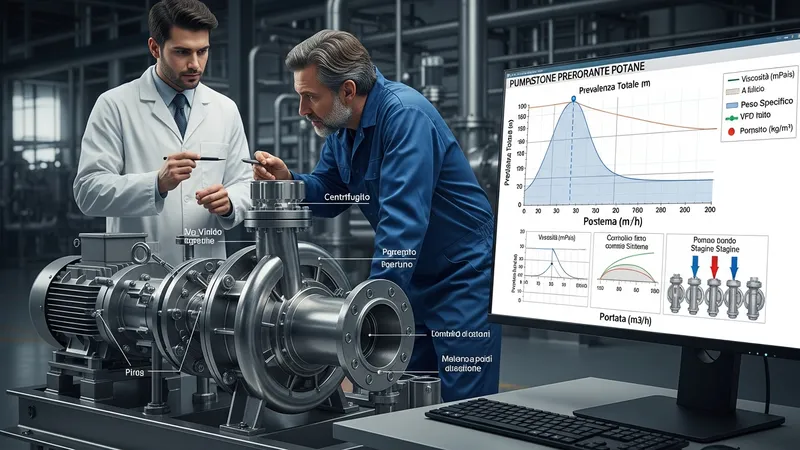
Hydraulic requirements define initial selection: flow rate (m3/h) and total head (m) determine the pump curve that must be matched to the system. Viscosity, specific gravity, and the presence of entrained gas or solids alter the effective head and volumetric efficiency; selection in Italy’s industrial contexts often references manufacturer performance data and in-house testing. Engineers may model system curves to estimate operating points and to determine whether throttling, variable speed control, or pump staging is preferable.
Material selection depends on chemical compatibility and cleaning regimes. Stainless steels (AISI 304/316) are commonly specified in the Italian food industry, while duplex stainless or coated materials may be used for aggressive chemicals. Seal type choices—mechanical seals, packed glands, or sealless options—reflect leak-tolerance and maintenance capabilities. In wastewater or slurry applications, abrasion resistance and replaceable wear components are typical considerations to control long-term replacement costs.
Energy efficiency and control strategies can affect operating expense over the equipment’s life. The adoption of electric motors with higher efficiency classes and the use of variable frequency drives are practices used in Italy to optimise power draw where flow requirements vary. Pump arrangement and piping layout also influence system losses; attention to suction conditions, NPSH availability, and minimising unnecessary bends may reduce cavitation risk and extend component life.
Regulatory and site-specific constraints influence procurement choices. ATEX classification, hygiene regulations, and municipal water authority guidelines may require documented conformity or specific materials and testing records. Local service presence for maintenance and spare parts is often a deciding factor in plant reliability planning, and life-cycle cost estimations typically include scheduled maintenance intervals, parts lead times, and energy consumption estimates rather than relying on purchase price alone.