
Pumps And Fluid Handling Equipment: Key Types, Applications, And Selection Factors

Lifecycle management, maintenance, and procurement considerations in Italy
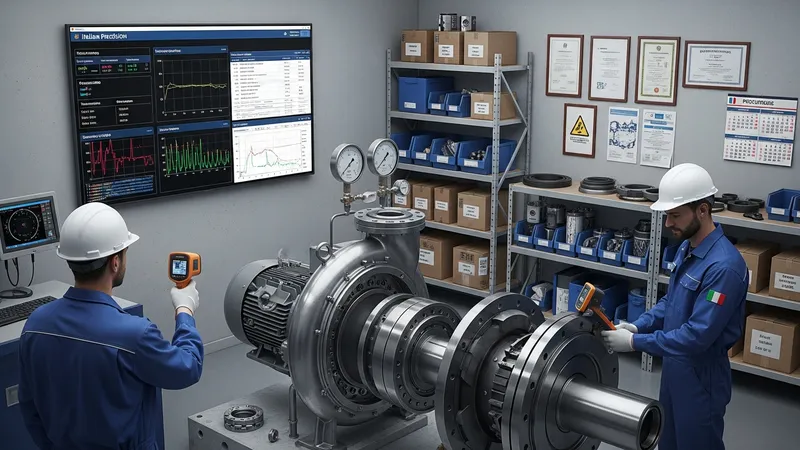
Planned maintenance schedules commonly include periodic inspection of seals, bearings, and wear parts, with intervals depending on duty cycles and fluid aggressiveness. In Italy, industrial operators often maintain vendor or third-party service agreements for complex pump assemblies to ensure compliance documentation and traceability. Spare part inventories are sized to expected repair times, and lead-time assessments for local suppliers are frequently part of procurement decisions to limit operational downtime.
Condition monitoring practices, such as vibration analysis, temperature sensing, and flow/pressure trend tracking, may be employed to identify degradation before failure. These techniques can inform preventive maintenance planning and help estimate remaining useful life. In Italian industrial settings, databases of operational incidents and maintenance histories are sometimes used to refine replacement intervals and to justify the economics of retrofits versus replacement.
Environmental and disposal considerations are relevant at end of life: fluids such as lubricating oils and contaminated components are managed under Italian environmental regulations, and recycling or proper disposal pathways are usually specified in procurement contracts. Energy use over the operational life is often considered in tenders; life-cycle costing may include energy price assumptions and typical duty cycles to estimate long-term operating expense.
Procurement in Italy frequently weighs local technical support and parts availability alongside equipment performance. Decision frameworks typically consider initial cost, estimated energy use, maintenance frequency, and compliance with sector regulations. For complex or custom applications, engagement with local engineering expertise and documented case histories is often used to validate expected performance rather than relying solely on catalogue data.