
Pumps And Fluid Handling Equipment: Key Types, Applications, And Selection Factors

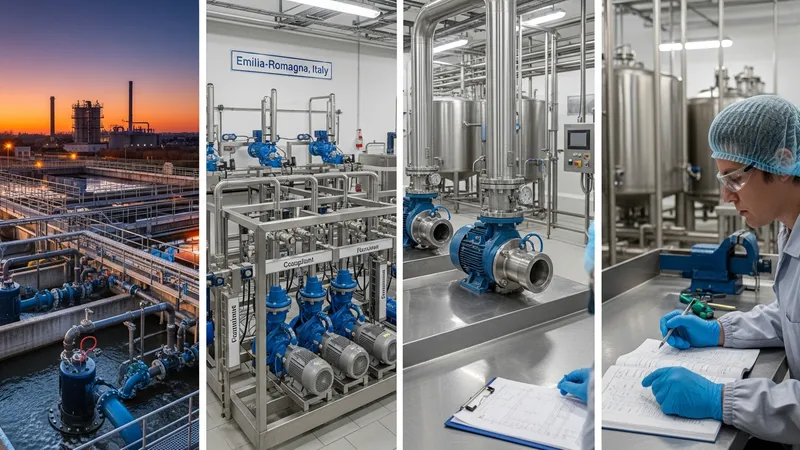
Applications across Italian industries and infrastructure
Municipal water and wastewater systems in Italy frequently use centrifugal and submersible pumps for distribution and sewage handling. Treatment plants may use various pumps for sludge recirculation and chemical dosing; operators commonly reference technical guidance from national authorities and local utilities when selecting pump classes. Industrial facilities such as food and beverage processors in regions like Emilia-Romagna and Lombardy often prioritize hygienic materials and smooth surface finishes to meet regulatory and supply-chain hygiene expectations.
The chemical and pharmaceutical sectors in Italy may specify diaphragm or sealless pumps to reduce leakage risk and ease cleaning. Where explosive atmospheres exist, equipment compliant with ATEX-related requirements is typically used; Italian sites rely on certification records and the relevant EU directives as part of their compliance documentation. Agricultural irrigation and drainage systems in Italy’s rural areas often employ pump sets sized to seasonal demands and well characteristics, with portable diesel units still used for temporary water management.
Construction and civil engineering projects commonly use portable dewatering pumps for excavation and tunnelling; these units are selected for solids handling and ease of transport. In coastal or marine contexts, corrosion-resistant materials and sacrificial anodes may be considered in pump design due to saline exposure. Urban stormwater management systems sometimes integrate pumping stations that are sized for peak runoff scenarios and coordinated with municipal planning standards.
Industrial cooling circuits, district heating, and district cooling systems in Italian metropolitan areas usually incorporate pump redundancy and monitoring to reduce operational interruptions. Where energy efficiency is a concern, operators may adopt control strategies such as variable speed drives to match pump output to system demand, often quantified during engineering studies and asset management planning.