
Plumbing And Emergency Repairs: How Professional Plumbers Address Urgent Water And Drain Issues

Common fault types and initial on-site assessment for plumbing emergencies
Emergency plumbing incidents often present as leaks, drain backups, or sudden loss of pressure. On arrival, professionals typically conduct a rapid on-site assessment that identifies visible signs such as pooling water, wet finishes, or damp odors, and checks for secondary hazards like electrical exposure. This assessment may include verifying shut-off valve locations and confirming which fixtures or zones are isolated. Documenting the condition with notes or photographs is often part of this phase, both for repair planning and for any necessary communications with property managers or insurers.
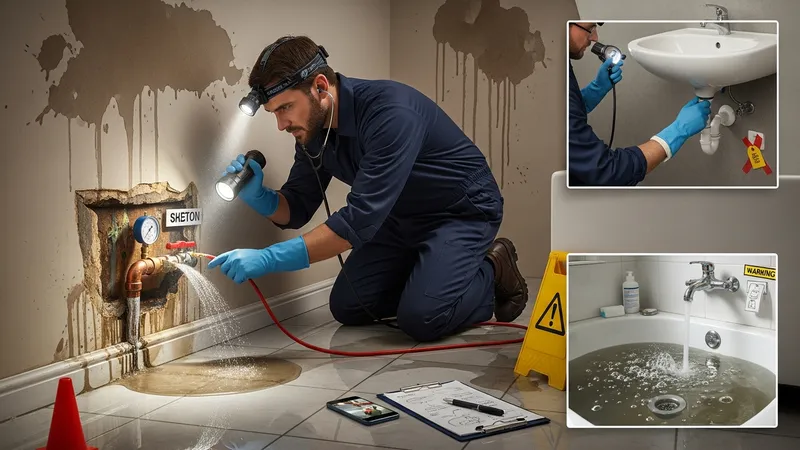
Leaking fixtures and joint failures are commonly encountered and may be visible or concealed behind walls and under floors. Plumbers may perform targeted tests—such as isolating sections of the system or using simple pressure checks—to determine whether a leak is active and to localize its general area. For drain-related issues, an initial inspection often includes running water through fixtures to observe flow, listening for gurgling sounds that indicate venting or partial blockages, and determining whether backups affect multiple points in the system.
Safety considerations are integrated into the assessment. Professionals often look for electrical outlets near wet areas, potential contamination from sewage-type overflows, and structural vulnerabilities that could worsen if water intrusion continues. Based on these findings, technicians may prioritize temporary isolation measures, arrange for auxiliary containment such as absorbent barriers, or recommend that electrical systems be isolated by a qualified electrician before proceeding with invasive diagnostics.
Assessment outcomes typically guide the choice of diagnostic tools and the scope of immediate intervention. A localized visible leak may allow for direct access and repair, while hidden leaks or systemic drain failures may prompt noninvasive diagnostics like thermal scanning or CCTV inspection. The assessment phase sets expectations for repair complexity and may indicate whether a short-term containment is sufficient pending a more comprehensive intervention.