
Pipeline Girth Weld Testing: Methods And Technologies Explained

Technological Advancements in Pipeline Girth Weld Testing
Pipeline girth weld testing technologies have evolved to offer higher precision and efficiency. Advancements in ultrasonic testing include phased array systems, which use multiple elements to direct sound beams at various angles, increasing the probability of detecting complex flaws. Automation and computerized image reconstruction may further enhance detection, allowing results to be visualized in real time and reducing subjectivity in interpretation.
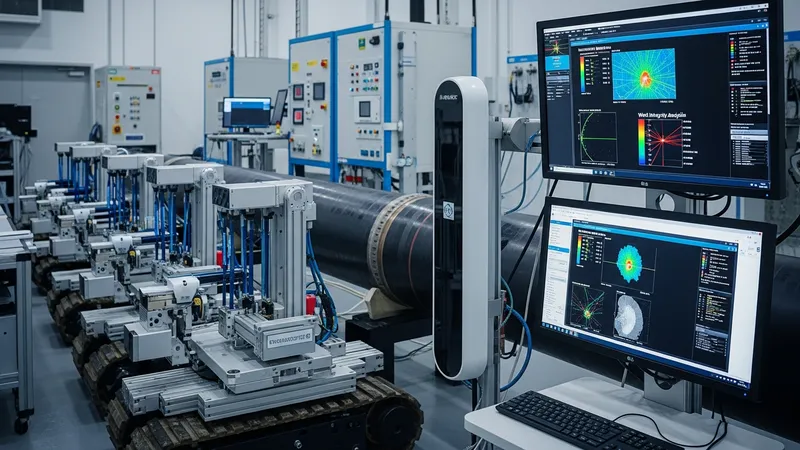
Modern radiographic testing has integrated digital detectors that replace traditional film. Digital radiography provides instant imaging, minimized radiation exposure times, and streamlined archiving. Improvements in image processing may help clarify subtle defect patterns, contributing to more accurate assessment of weld integrity. Regulatory acceptance of digital records is increasingly common in compliance documentation.
Magnetic particle inspection systems have also improved, with portable handheld units and high-sensitivity magnetic powders now available for diverse site conditions. Enhanced lighting conditions and digital photography support quicker documentation and review of MPI results, especially in large pipeline projects where traceability of findings is important for recordkeeping and traceability.
The selection of advanced testing technologies typically considers factors such as pipeline diameter, material properties, environmental conditions, and logistics. As these technologies become widely available, adoption rates may increase, particularly in projects that prioritize efficiency, comprehensive documentation, and repeatable accuracy in weld inspection results.