
Pipeline Girth Weld Testing: Methods And Technologies Explained

Data Interpretation and Reporting in Pipeline Girth Weld Testing
Interpreting the data gathered during pipeline girth weld testing is a specialized task. Personnel must distinguish between relevant and non-relevant indications according to established acceptance criteria found in technical codes or project specifications. This interpretation process typically requires formal training and certification for both accuracy and regulatory compliance.
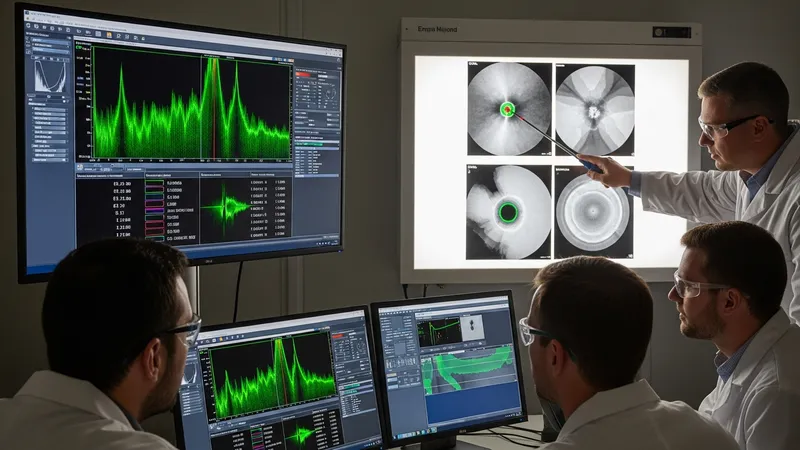
For ultrasonic testing, software-generated readings provide metrics such as flaw size, orientation, and distance from weld centerline. Analysts use these data points to classify imperfections and determine if further investigation or repairs are warranted. For radiographic images, inspectors look for variations in density, which suggest the presence and potential severity of subsurface flaws within the weld structure.
Reporting protocols generally require detailed documentation of inspection results. This may include raw datasets, annotated images, technician certifications, and written conformance statements. Standard formats make it easier for asset owners, regulators, and auditors to verify compliance and review inspection histories when necessary.
Technological tools continue to support data management by integrating inspection results into maintenance systems and digital asset registries. This consolidation can aid in planning preventive maintenance, tracking long-term weld performance, and responding efficiently to regulatory inquiries into pipeline safety and reliability.