
Pharmaceutical Manufacturing: Key Processes And Industry Insights

Biopharmaceutical Processing in Modern Manufacturing
Biopharmaceutical processing refers to the use of living organisms or biological systems to produce complex therapeutic agents. These products include monoclonal antibodies, vaccines, and recombinant proteins. The process generally encompasses cell culture, fermentation, purification, and formulation stages, each requiring careful monitoring and validation to ensure consistency and safety.
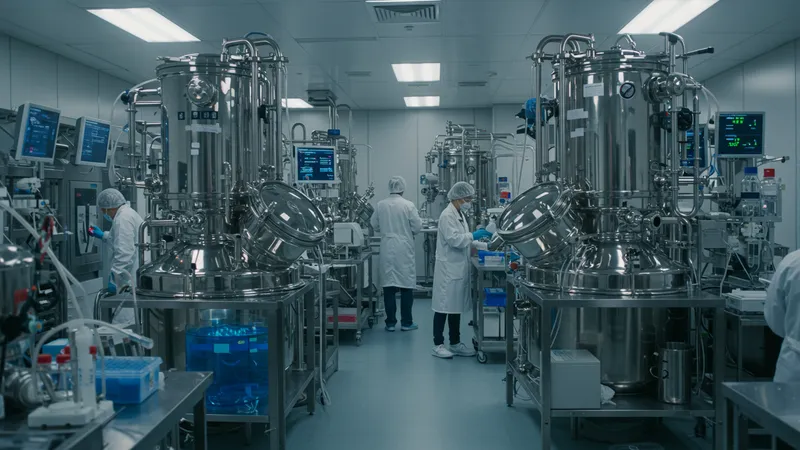
Cell lines or microbial systems are maintained in sterile bioreactors under tightly regulated conditions. Parameters such as temperature, pH, oxygen concentration, and nutrient supply are controlled to optimize cell growth and product yield. Downstream processing then isolates and purifies the desired product, utilizing techniques like chromatography, filtration, and ultrafiltration. Each step is accompanied by quality control testing.
The regulatory landscape for biopharmaceutical manufacturing is complex. Guidelines often require extensive documentation and validation of processes, from the sourcing of raw materials to final product formulation. Advances in single-use technologies, process automation, and digital control systems may improve efficiency and contamination control in these settings. However, new biological modalities can present unique challenges necessitating specialized expertise.
Investment in biopharmaceutical facilities can be higher compared to traditional solid or sterile manufacturing due to specialized equipment and infrastructure. The costs are often justified by the high scientific value and potential for producing life-changing therapies. Manufacturers face the ongoing task of balancing innovation, scalability, and compliance in a rapidly evolving sector.