
Pharmaceutical Manufacturing: Key Processes And Industry Insights

Sterile Manufacturing in Pharmaceutical Production
Sterile manufacturing focuses on the production of medications and formulations that must remain free from microbial contamination. This process is critical for products administered via injection, infusion, or into sensitive tissues. Production environments are typically maintained under controlled conditions using cleanroom technology. Personnel often undergo specialized training to minimize contamination risks.
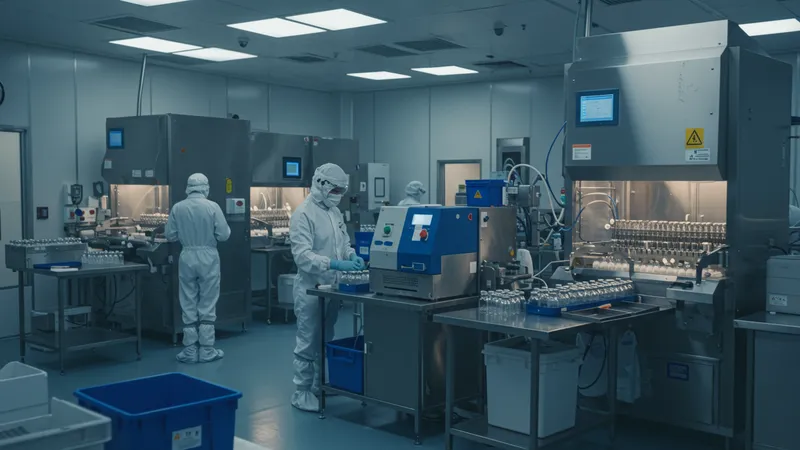
The creation of a sterile product may involve several stages, including sterilization of components, preparation of sterile solutions, and aseptic filling of containers. Maintenance of sterility is accomplished through use of laminar airflow hoods, restricted access barriers, and periodic air and surface sampling. Techniques such as terminal sterilization or aseptic assembly are selected based on product attributes.
Regulatory bodies establish clear guidelines for sterile manufacturing practices. Documentation, validation of cleaning and sterilization methods, and routine monitoring are required to ensure regulatory compliance. Equipment such as isolators and automated fill-finish lines may be adopted to reduce operator involvement and further decrease contamination risks. Manufacturers often conduct media fill tests as a performance qualification measure.
Investments in sterile manufacturing infrastructure can be considerable, given the need for advanced engineering controls and compliance with strict regulations. Ongoing training and calibration of instruments remain important for continued product quality assurance. The push for higher levels of automation and integration of robotics is often observed in newer facilities as a means to enhance reliability and efficiency.