
Pharmaceutical Manufacturing: Key Processes And Industry Insights

Solid Dosage Processes in Pharmaceutical Manufacturing
Solid dosage manufacturing remains a widely practiced methodology for producing oral pharmaceuticals. Tablets and capsules are among the most familiar formats, valued for their stability and ease of administration. Processes typically begin with precise weighing and blending of active ingredients and excipients to achieve uniformity. Granulation, either wet or dry, may then be employed to improve compressibility and flow properties of the mixture prior to tableting.
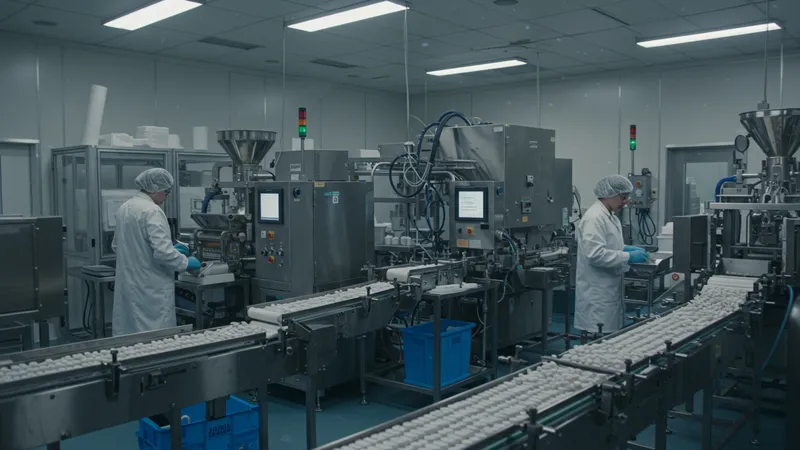
Control of particle size and moisture content is crucial during solid dosage manufacturing. Consistency in these variables helps to minimize batch variation and supports reliable drug release profiles. Manufacturers often utilize equipment such as oscillating granulators, fluid bed dryers, and rotary tablet presses. Quality assurance is reinforced by standards such as those established by the International Council for Harmonisation (ICH) and regional authorities.
Coating is a subsequent step that may provide functional benefits, such as masking taste, controlling drug release, or enhancing product appearance. Film coating and sugar coating are among the common techniques applied. The selection of coating materials and technology can impact overall product stability and consumer acceptance. Information about regulatory expectations is available from agencies like the FDA and EMA.
Automated systems and process analytical technologies (PAT) are increasingly integrated into solid dosage manufacturing. These additions aim to enhance in-process monitoring and real-time quality control. PAT tools can permit faster detection of deviations, allowing corrective actions before final product testing. Adoption of such technologies may represent significant investment, but could yield improvements in consistent product output.