
Pharmaceutical Manufacturing: Key Processes And Industry Insights

Industry Insights and Evolving Trends in Pharmaceutical Manufacturing
Pharmaceutical manufacturing is experiencing changes influenced by advancements in automation, digitalization, and regulatory science. New manufacturing models, such as continuous processing and modular production facilities, can provide flexibility and enable faster adaptation to changing market needs. These trends are particularly noticeable in regions with robust pharmaceutical sectors and innovation-driven policies.
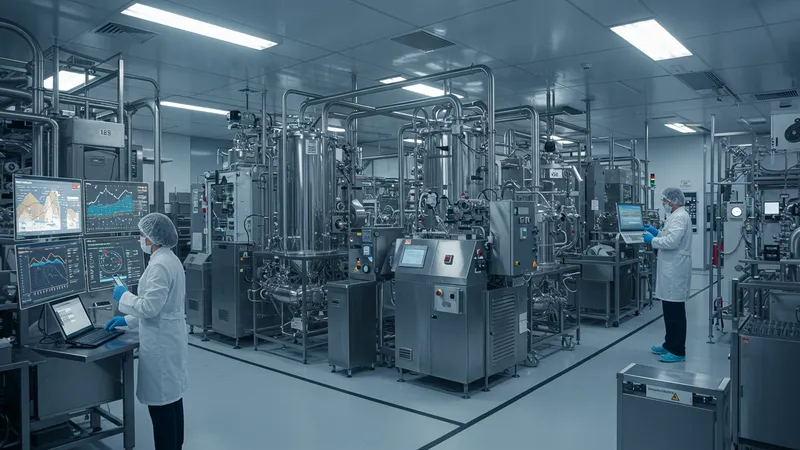
Quality by Design (QbD) and real-time monitoring systems are being integrated into key manufacturing steps. QbD encompasses systematic methodologies for process development and risk assessment, emphasizing consistent product quality and regulatory compliance. Adoption of these approaches may streamline regulatory submissions and increase process understanding among technical staff.
Increasing attention is also placed on environmental sustainability within pharmaceutical manufacturing. Waste reduction initiatives, energy-efficient technologies, and responsible sourcing of raw materials can support sustainable practices. Companies may seek to align production standards with recognized frameworks or environmental regulations in their respective markets.
Global supply chain dynamics, workforce development, and ongoing regulatory evolution are additional factors affecting pharmaceutical manufacturing. Adapting to new requirements and leveraging emerging technologies can help maintain product quality and supply continuity. Continued investment in research, infrastructure, and collaboration contributes to shaping the future of pharmaceutical manufacturing on an international scale.