
Oil & Gas Industry Machinery: Overview Of Key Equipment Types And Uses

Processing Equipment in Saudi Arabia’s Oil & Gas Industry
Processing equipment in Saudi oil and gas facilities is engineered to handle large volumes of hydrocarbons and associated materials. Pressure vessels, scrubbers, and separators are among the primary machines utilized in central processing plants and refineries. Their configuration and capacity are designed to accommodate the composition of Saudi crude and meet quality requirements set by domestic regulations.
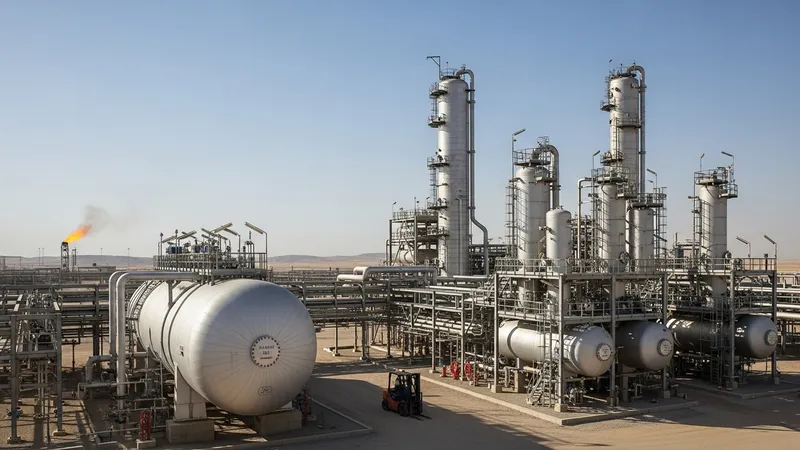
Saudi manufacturers, often certified by local and international bodies, fabricate pressure vessels to conform to protocols such as those outlined by SASO and the American Society of Mechanical Engineers (ASME). Facility managers typically select vessel designs based on throughput targets, feedstock analysis, and site-specific conditions. Ongoing inspections and maintenance are conducted to prevent operational issues and uphold safety standards relevant to local environmental policies.
Processing machinery in Saudi Arabia can integrate monitoring sensors, remote diagnostics, and automation to support efficient and safe operation. These features allow facility operators to track internal pressures, detect irregularities, and release or contain fluids as necessary. Adoption of such enhancements is observed in newer installations, supporting the country’s goals for digital transformation in the industrial sector.
Periodic modernization initiatives in Saudi processing facilities can result in phased replacement or upgrading of older machinery. Such strategies are informed by both regulatory requirements and incentives for energy efficiency. The introduction of new technological components is typically gradual and involves coordination with local engineering and inspection agencies.