
Oil & Gas Industry Machinery: Overview Of Key Equipment Types And Uses

Pipelines and Transportation Machinery in Saudi Arabia’s Oil & Gas Sector
Pipelines serve as the principal mode of hydrocarbon transportation across Saudi Arabia. They are typically constructed from high-strength steel or corrosion-resistant alloy, reflecting the country’s focus on durability and safety in high-temperature and arid environments. Pipeline systems can extend for hundreds of kilometers, linking production fields to refineries and export terminals along the Persian Gulf and Red Sea coasts.
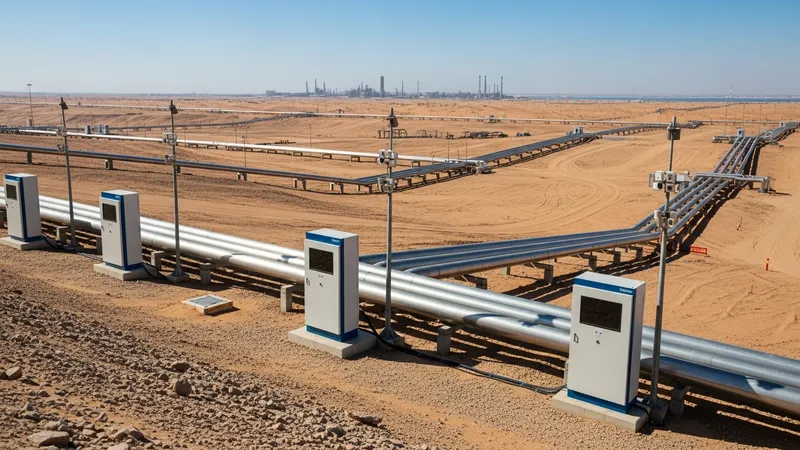
Saudi pipeline projects are subject to regulatory oversight, including reviews from the Ministry of Energy and environmental agencies. Design considerations may factor in seismic activity, sandstorm exposure, and remote system monitoring. Modern pipelines often feature cathodic protection and digital leak-detection technologies to enhance system integrity and incident response capabilities.
Operational oversight of pipeline networks in Saudi Arabia is centralized among major national entities, with routine inspections, maintenance schedules, and system upgrades implemented according to established safety codes. Impact assessments are conducted to ensure compliance with environmental regulations and to minimize disruption to local communities and ecosystems.
Integration of transportation machinery extends beyond pipelines to include storage tanks, pump stations, and loading terminals. These components are coordinated within the national energy strategy to maintain consistent supply output and support export commitments. As operational requirements and export volumes change, so too may the demand for associated machinery and technological upgrades within the Saudi context.