
Oil & Gas Industry Machinery: Overview Of Key Equipment Types And Uses

Drilling Machinery in Saudi Arabia’s Oil & Gas Industry
Drilling machinery forms the initial step in Saudi Arabia’s oil and gas production. Most active fields use land drilling rigs, designed to handle variable formations and depth requirements typical of the Kingdom’s terrain. These rigs may be equipped for vertical, directional, or horizontal drilling, aligning with project-specific reservoir characteristics. Innovations in rig automation and safety protocols are prioritized to align with local regulations and operational guidelines.
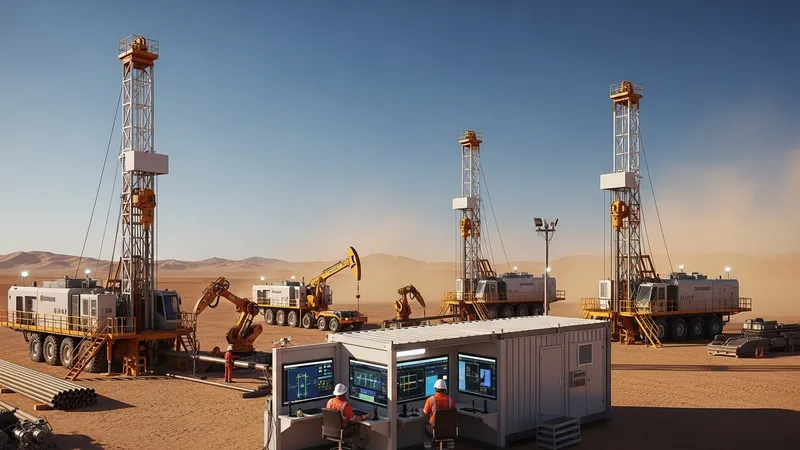
Saudi land drilling rigs are engineered to operate in environments characterized by high temperatures and sandy soils. Many rigs include technologies designed to minimize dust intrusion, enhance mobility across deserts, and support multi-well drilling pads. Rig operators often adhere to guidelines formulated by national bodies such as the Ministry of Energy and the Saudi Standards, Metrology and Quality Organization (SASO).
Onshore drilling in Saudi Arabia often involves contractor services, with rigs sourced from both domestic and international manufacturers. Market reports frequently reference capital and operational expenditures as primary considerations, with costs influenced by local content regulations, customizations, and long-term service agreements. Periodic upgrades may be driven by environmental policies or initiatives for higher operational efficiency.
Training programs for Saudi rig crews typically emphasize both technical skills and regulatory compliance. Industry partners and educational institutions, including Saudi Aramco, offer specialized courses addressing the use and maintenance of drilling machinery. Such development supports workforce localization and maintains alignment with national industrialization objectives. These factors are relevant when evaluating the role of drilling equipment in the sector’s ongoing evolution.