
Oil And Gas Extraction: Processes And Environmental Considerations In The U.S.

Regulatory Frameworks Guiding Oil and Gas Extraction in the U.S.
Federal agencies play a key role in regulating oil and gas extraction processes. The Bureau of Land Management (BLM) oversees operations on public lands, while the Bureau of Ocean Energy Management (BOEM) manages offshore leasing and development. The Environmental Protection Agency (EPA) establishes and enforces regulations pertaining to air, water, and hazardous materials under statutes such as the Clean Air Act and Clean Water Act.
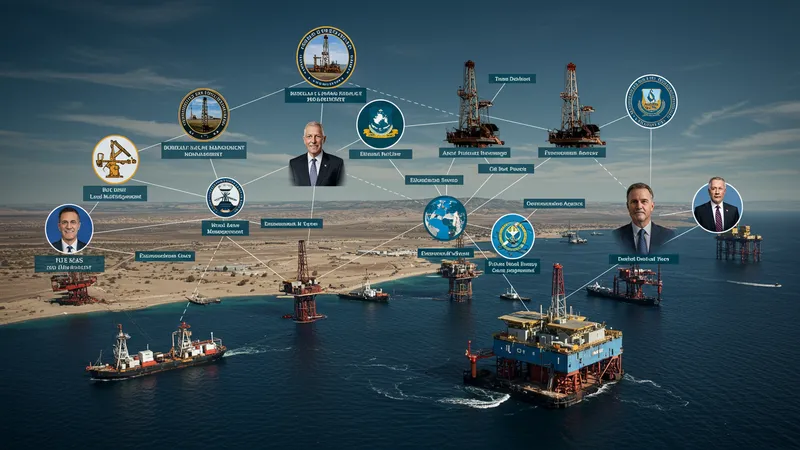
States implement additional regulations that can address regional environmental priorities. For example, Texas and North Dakota issue permits for drilling and control waste disposal standards suited to local geology and water resources. These regulations are frequently updated to reflect advances in extraction technology and evolving public concerns over environmental impacts.
Permitting requirements provide a structured review process for new development projects. Operators submit detailed plans describing site design, safety measures, and environmental management strategies. Review periods may include public comment opportunities and require the submission of impact studies. The outcome often determines whether and under what conditions the project can proceed.
Ongoing compliance monitoring is enforced through regular site inspections, data reporting, and audits. Non-compliance can result in fines, shutdowns, or mandated remediation activities. Transparency and reporting requirements support agency oversight as well as public accountability regarding industry activities and their environmental management outcomes.