
Oil And Gas Extraction: Processes And Environmental Considerations In The U.S.

Environmental Considerations in U.S. Oil and Gas Extraction
Water usage and management is a critical issue in oil and gas extraction, particularly with hydraulic fracturing, which can require millions of gallons per well. Water sourcing, handling, and disposal are carefully regulated, with treatment methods in place to process wastewater before disposal or reuse. In some regions, water recycling practices have emerged to reduce overall consumption and minimize local impact.
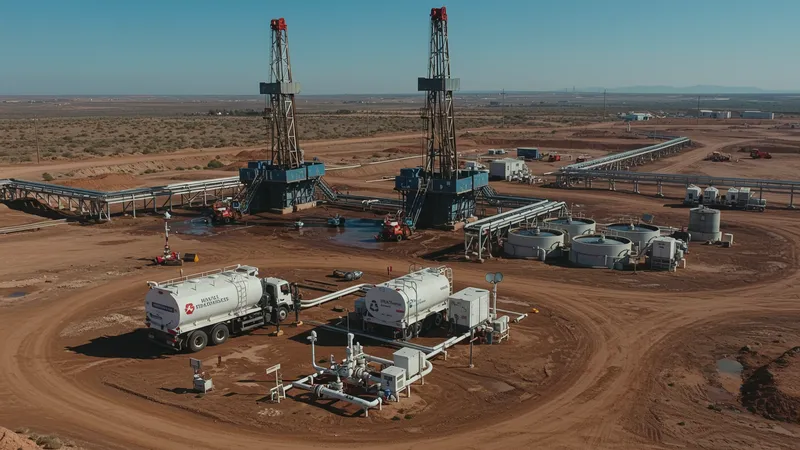
Air emissions, including volatile organic compounds (VOCs), methane, and carbon dioxide, are monitored under national and state programs. The EPA establishes rules to limit flaring, venting, and fugitive emissions from extraction sites. Many companies deploy vapor recovery units and leak detection systems to help comply with emissions targets. Continued monitoring is necessary to balance energy production with air quality goals.
Soil and habitat disruption may occur during site development, including clearing land, constructing roads, and installing equipment. Environmental impact assessments are completed prior to development to identify sensitive species or habitats. Reclamation plans are frequently reviewed by regulatory bodies to ensure disturbed land is restored after extraction activities cease.
Managing the risks of spills and leaks is a routine aspect of site operations. Spill prevention, control, and countermeasure (SPCC) plans are mandated by federal regulations. Secondary containment systems, along with emergency response protocols, are implemented to limit the scope and impact of accidental releases. Regular training and drills aim to maintain preparedness for potential incidents.