
Oil And Gas Extraction: Processes And Environmental Considerations In The U.S.

Process Techniques in Oil and Gas Extraction: U.S. Approaches
Rotary drilling remains a foundational technique in the extraction of oil and gas in the United States. This method uses a rotating drill bit to cut through rock and sediment layers, creating wells that reach hydrocarbon reservoirs. Advances in drill bit materials and directional drilling practices have made rotary drilling suitable for a variety of geological settings. Operators typically select this approach for its reliability in conventional fields and adaptability to exploratory needs.
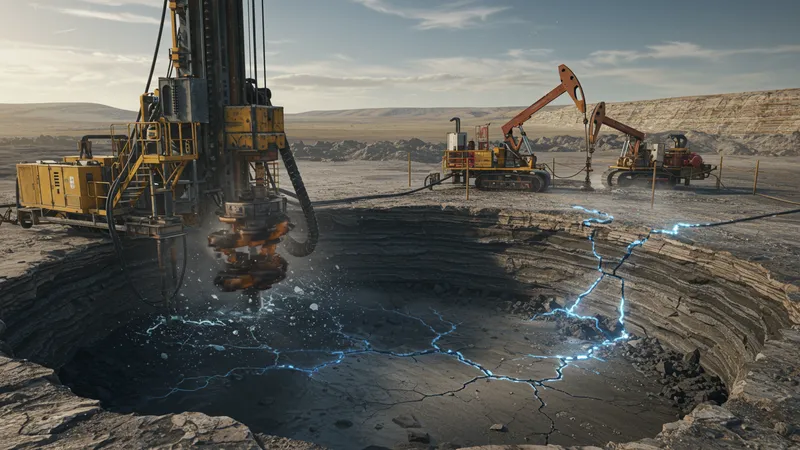
Hydraulic fracturing, or fracking, has played a significant role in the development of unconventional resources, including shale oil and gas. The process involves pumping a mixture of water, sand, and chemicals at high pressure into rock formations. This creates fractures that allow hydrocarbons to flow more freely. While fracking can increase well productivity, it also necessitates rigorous management of fluids and emissions to address environmental concerns.
Offshore extraction in the U.S. is performed using sophisticated fixed and floating platforms. These structures, often constructed miles from shore, provide stable workspaces for drilling wells beneath the ocean floor. Offshore operations require adherence to strict safety protocols and environmental standards, reflecting the challenges of working in marine ecosystems. Advanced remote monitoring and blowout prevention systems are integral to modern offshore extraction.
Each extraction process is supported by logistical planning, from transporting equipment and workers to coordinating waste disposal. The selection of an extraction technique may depend on factors such as reservoir type, depth, proximity to existing infrastructure, and regulatory limits. Operators frequently balance economic feasibility with environmental stewardship when planning new projects.