
Oil And Gas Extraction: Processes And Environmental Considerations In The U.S.

Future Considerations for U.S. Oil and Gas Extraction Practices
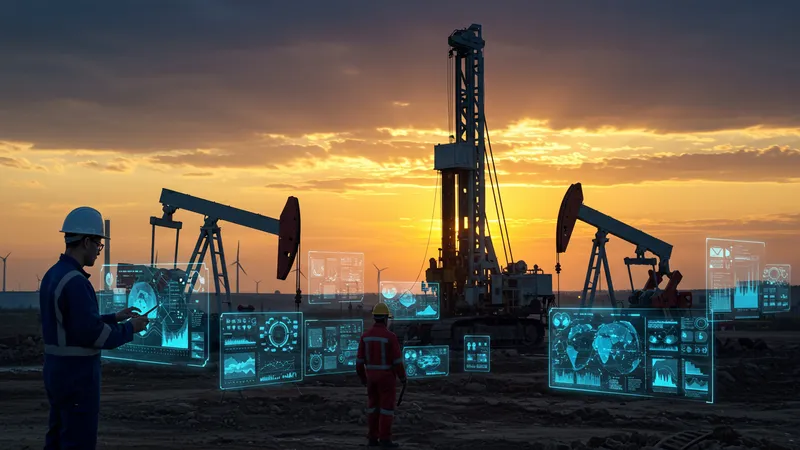
Technological innovation continues to shape extraction methods and associated environmental safeguards. Enhanced oil recovery techniques, automation in drilling processes, and advances in remote sensing are being explored to improve efficiency and reduce incident risks. The integration of digital monitoring allows operators to identify potential issues more quickly and optimize performance with less environmental disturbance.
The landscape of oil and gas extraction is influenced by shifts in energy policy and market dynamics. Federal and state initiatives may aim to promote more sustainable operations through incentives for methane reduction, investment in research, or requirements for greater use of recycled materials in field operations. Changes in energy demand can also impact project viability and investment decisions.
Stakeholder engagement is increasingly a part of resource development projects. Community input is often solicited during permit application processes, particularly in regions sensitive to environmental or socioeconomic impacts. Transparency in operational practices and regular provision of environmental data may foster constructive dialogue among industry, regulators, and local communities.
Long-term resource management may incorporate planning for decommissioning, reclamation, and legacy site monitoring. Comprehensive site closure plans are generally required to ensure former extraction sites are returned to stable, useful conditions. Advances in remediation technologies may help address lingering environmental effects, supporting broader goals for responsible resource stewardship.