
Oil And Gas Extraction: Insights Into Processes And Industry Impact In The U.S.

Technological Advancements in Oil and Gas Extraction: Insights into Processes and Industry Impact in the U.S.
Technological innovation has played a significant role in shaping the efficiency and reach of the oil and gas extraction industry in the United States. The application of horizontal drilling, which allows for wells to be drilled laterally through reservoirs, has increased access to resources and enhanced hydrocarbon recovery rates. Hydraulic fracturing, or “fracking,” breaks up rock formations to release trapped oil or gas, often making unconventional shale resources commercially viable.
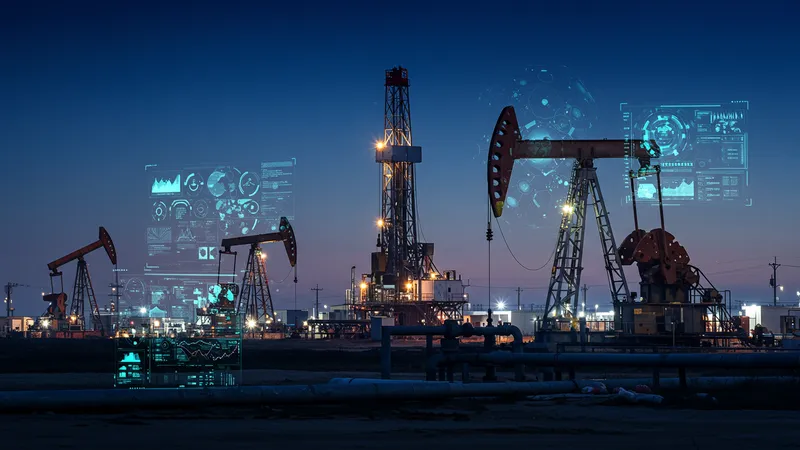
Digital technologies are increasingly being adopted to monitor and optimize extraction operations. Sensors placed along wells and pipelines may transmit real-time data to centralized control centers, permitting rapid response to operational issues or potential safety risks. This digitalization can improve decision-making and may help reduce downtime or inefficiencies, directly impacting operational costs and productivity.
Reservoir modeling and simulation tools have become more sophisticated, allowing engineers to predict reservoir behavior and recovery more accurately. By inputting geological, fluid, and production data, these tools may help optimize well placement and extraction strategies. These advances can extend the productive life of oil and gas fields, often with a lower environmental impact by minimizing unnecessary drilling.
Environmental management technologies are also advancing, particularly in the detection and mitigation of methane emissions, spill control, and water treatment. Modern extraction facilities often include closed-loop systems for water reuse and robust containment systems to reduce the risk of contamination. Such advancements reflect regulatory trends and growing public focus on minimizing environmental footprints.