
Oil And Gas Extraction: Insights Into Processes And Industry Impact In The U.S.

Key Processes in Oil and Gas Extraction: Insights into Processes and Industry Impact in the U.S.
One fundamental process in oil and gas extraction is seismic survey and exploration. Companies in the U.S. often start with subsurface imaging using seismic waves to identify hydrocarbon-bearing formations. This phase can involve the analysis of geological data, aerial surveys, and ground sensors. The gathered information is critical for making informed decisions about where to drill next and helps minimize unnecessary environmental disturbance by targeting specific locations.
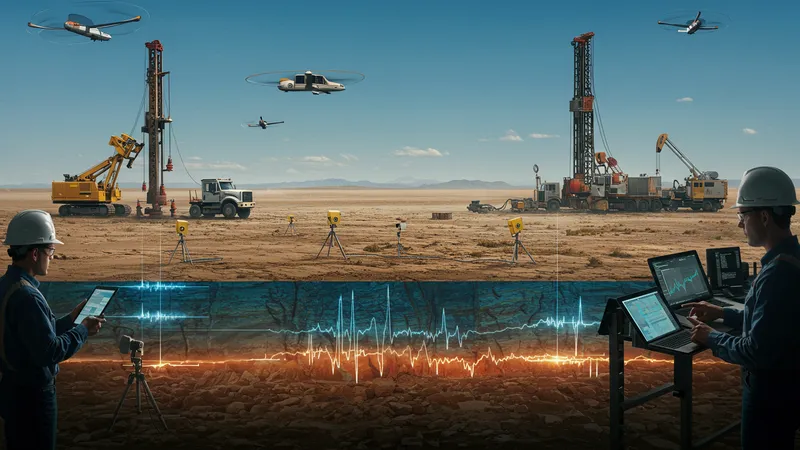
Drilling and well completion represent the core activities that follow exploration. In the U.S., drilling techniques have evolved significantly in the past few decades, with horizontal drilling and hydraulic fracturing now common in many regions. Drilling operations require careful planning to ensure safety and efficiency, with completions involving the installation of casings, cementing, and installing required production equipment. Proper completion allows for controlled extraction while managing pressures and maintaining well integrity.
Production operations commence after a well is successfully completed. This stage typically involves the management of flow rates, pressure maintenance, and monitoring for potential issues that could affect output. Production can last several years or decades, depending on the characteristics of the reservoir. During this time, operators may deploy enhanced recovery techniques or artificial lift methods to sustain output.
Decommissioning and site restoration are also integral components of the extraction process. Once a well becomes uneconomic or depleted, companies are generally required to safely plug the well and remediate the site according to regulatory frameworks. Restoration efforts may include soil cleanup, vegetation replanting, and long-term monitoring to ensure that the area returns to an environmentally stable condition.