
Oil And Gas Extraction: Insights Into Processes And Industry Impact In The U.S.

Oil and gas extraction refers to the set of industrial activities involved in locating, removing, and processing hydrocarbon resources from beneath the Earth’s surface. In the United States, this process typically includes the exploration, drilling, and production of crude oil and natural gas, which are later transported and refined for various uses. The sector is regulated by a combination of federal, state, and local agencies that oversee environmental practices, resource management, and operational safety. The industry’s activities are integral to domestic energy production and supply, influencing economic productivity, energy security, and environmental outcomes.
The extraction process is multifaceted, usually beginning with geological surveys and seismic studies to identify promising sites. Following site selection, companies drill wells to access oil or gas reservoirs, often using advanced technologies such as directional drilling and hydraulic fracturing to enhance recovery. Once extracted, raw hydrocarbons are separated, treated, and transported for refinement. These operations can have both regional and broader environmental and economic impacts, including the creation of supporting industries and infrastructure.
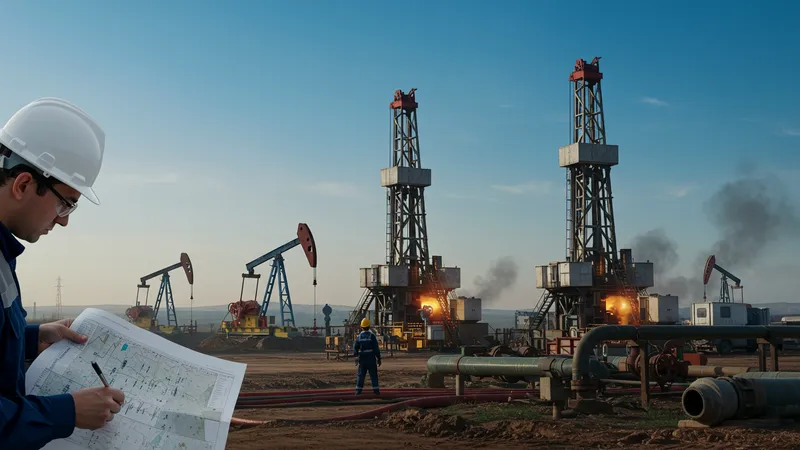
- Exploration and Production (E&P) Operations: Involves the initial search for hydrocarbon deposits, typically combining seismic technology with exploratory drilling. Costs for E&P projects in the U.S. may range from several million to hundreds of millions of dollars, depending on depth and complexity.
- Natural Gas Gathering and Processing: Covers the collection and initial treatment of raw natural gas from multiple wells. Processing units are usually located near the wellheads. Typical project investment can range from a few million dollars for small facilities to tens of millions for larger processing plants.
- Crude Oil Refining: Converts extracted crude oil into usable products such as gasoline, diesel, and petrochemicals. U.S. refinery construction or major upgrades often involve capital expenditures upwards of $100 million, depending on capacity and location.
Modern oil and gas extraction in the U.S. may utilize techniques such as horizontal drilling and hydraulic fracturing to improve efficiency and output. These methods can enable access to previously unreachable reserves, although they require careful oversight due to environmental considerations. Technologies in reservoir modeling and remote monitoring also contribute to optimizing production rates and reducing risks.
The regulatory structure surrounding oil and gas extraction in the U.S. is extensive. Agencies such as the Environmental Protection Agency (EPA), Department of the Interior, and state-level organizations set guidelines to manage water use, air emissions, and land reclamation. Compliance with these standards is integral to operating permits and ongoing site management, influencing both project timelines and costs.
Industry supply chains are supported by an array of service providers including drilling contractors, equipment manufacturers, and transport firms. The economic impact extends to regional development and can include new infrastructure projects in pipelines, storage, and refining. These interconnected components can lead to significant employment and tax revenue generation for local communities.
Market dynamics, including fluctuations in global oil prices and demand for natural gas, often shape investment decisions in extraction projects. Companies regularly assess international trends, technological advancements, and domestic policy shifts when planning long-term operations. Shifts in consumer preferences and energy transition policies may also influence the future strategic outlook of extraction activities.
In summary, oil and gas extraction in the United States includes complex technical operations, regulated processes, and far-reaching impacts on local economies, energy markets, and environmental management. The next sections examine practical components and considerations in more detail.