
Oil And Gas Extraction: Insights Into Processes And Industry Impact In The U.S.

Environmental Considerations for Oil and Gas Extraction: Insights into Processes and Industry Impact in the U.S.
Environmental impact is a central consideration for oil and gas extraction activities in the United States. Regulatory requirements, such as those set by the Environmental Protection Agency, mandate the management of water resources, control of emissions, and protection of wildlife habitats. Companies are generally required to conduct environmental impact assessments prior to project approval, outlining how they plan to mitigate adverse effects.
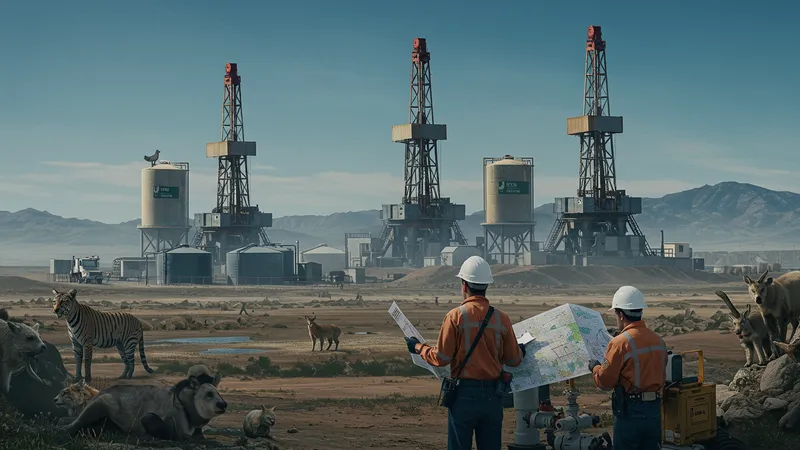
Water usage and management is a particularly important issue, as extraction methods like hydraulic fracturing can require significant quantities of water. Operators often implement recycling or treatment processes to minimize freshwater withdrawal. Regulatory frameworks may set limits on water sourcing and mandate the monitoring of groundwater quality to prevent contamination risks to nearby communities and ecosystems.
Air emissions, notably methane and volatile organic compounds, are monitored closely under federal and state programs. Many companies utilize vapor recovery units, improved flaring practices, and advanced monitoring technologies to reduce the release of greenhouse gases. These practices align with policy trends geared toward lowering the carbon footprint of energy production.
Land reclamation practices are designed to restore sites to productive uses after the cessation of extraction activities. This typically involves removing equipment, treating residual contamination, and replanting vegetation. State programs often require ongoing monitoring to ensure that rehabilitated areas meet safety and environmental quality benchmarks, supporting longer-term sustainability goals.