
Neurosurgery: Understanding Common Brain And Spine Procedures

Operative techniques and intraoperative monitoring in brain and spine procedures
Operative technique selection is linked to the targeted pathology and the planned approach. Microsurgical techniques use high-magnification optics and fine instrumentation for intracranial and intradural spinal work, emphasizing precise tissue dissection and hemostasis. Endoscopic tools can allow visualization through smaller openings, while open approaches may be preferred when broad exposure or complex reconstruction is needed. Spinal instrumentation typically requires careful alignment and secure fixation with screws, rods, or cages designed to maintain stability and promote fusion in appropriate contexts.
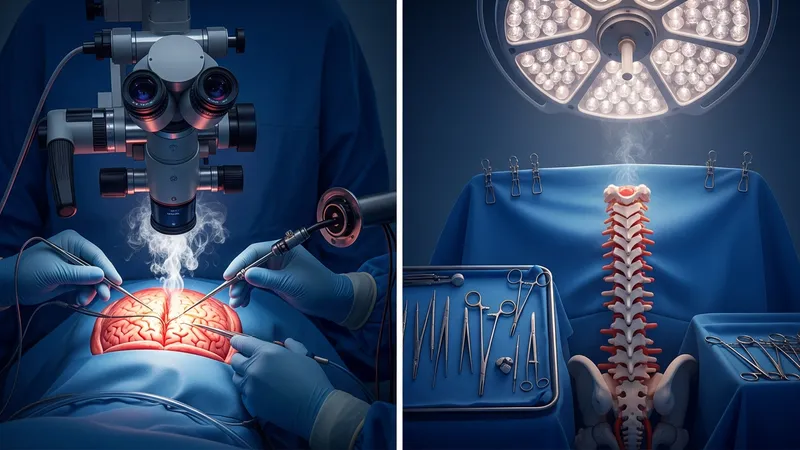
Intraoperative neurophysiological monitoring (IONM) is commonly used to provide real-time data about neural function during procedures that risk motor or sensory pathways. Modalities such as somatosensory evoked potentials, motor evoked potentials, and electromyography may be applied selectively depending on the surgical target. Monitoring outputs are interpreted cautiously by clinicians, and alerts are integrated with surgical maneuvers to reduce the likelihood of iatrogenic injury. Monitoring is an adjunct that may inform intraoperative adjustments rather than guaranteeing outcomes.
Anesthesia and perioperative management strategies are tailored to the procedure and monitoring needs. Awake craniotomy protocols may be used when intraoperative functional testing is required, while general anesthesia with neuroprotective strategies may be chosen for extensive resections. Blood loss management, temperature control, and fluid balance are components of intraoperative care that typically receive coordinated attention from the surgical and anesthesia teams. These factors can affect immediate postoperative recovery and are considered during preoperative planning.
Surgical teams often maintain checklists and sterile-field procedures to minimize infection risk and to ensure equipment readiness, including navigation calibration and availability of vascular or graft materials. In complex cases, staged procedures may be considered to manage surgical risk and to allow for reassessment between stages. These intraoperative considerations are practical elements that often influence operative duration, resource needs, and postoperative pathways.