
Neurosurgery: Understanding Common Brain And Spine Procedures

Post-procedural care and rehabilitation for brain and spine procedures
Immediate post-procedural care commonly emphasizes neurological monitoring, pain management, and prevention of complications such as infection or thromboembolism. Patients may be observed in a high-acuity setting for a variable period before transition to ward-level care. Early mobilization and respiratory care are often prioritized to reduce secondary complications. Wound inspection and basic functional screening may begin soon after surgery to identify evolving issues that warrant earlier intervention or imaging.
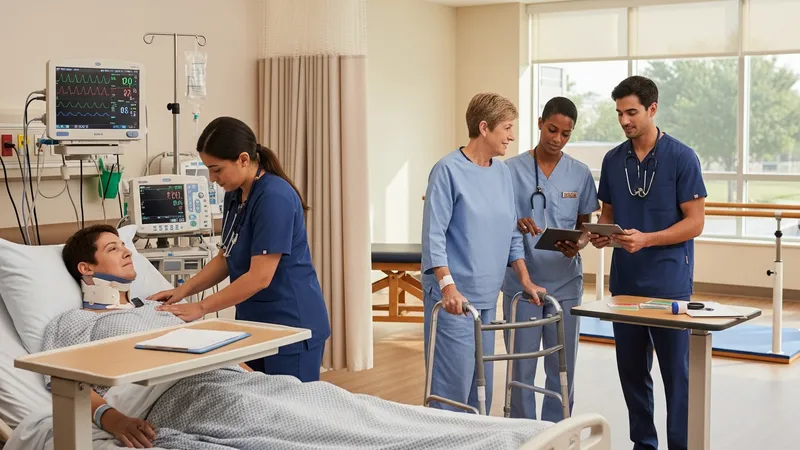
Rehabilitation planning is typically individualized and may include physical therapy, occupational therapy, and, when indicated, speech-language pathology. The intensity and duration of rehabilitation may vary based on the procedure and baseline function; some patients engage in short-term outpatient therapy, while others may require prolonged, multidisciplinary inpatient rehabilitation. The aim in these programs is to maximize functional recovery and adaptive strategies rather than to promise specific outcomes.
Follow-up imaging and clinical assessment schedules are often used to monitor for residual disease, hardware position, or vascular recurrence. Imaging timelines vary by pathology; for example, early postoperative imaging may verify resection extent or hardware placement, while later studies assess healing and longer-term stability. Clinical follow-up typically includes serial neurologic exams and review of functional progress, with adjustments to therapy plans made as recovery trajectories become clearer.
Long-term considerations may include management of chronic pain, activity modification, and secondary prevention of further neurologic events where applicable. Communication across surgical teams, primary care, and rehabilitation providers helps coordinate ongoing care and supports reintegration into daily activities. Readers should note that timelines and specific interventions are individualized, and multidisciplinary coordination often shapes the rehabilitation pathway.