
Microfluidic Polymer Devices: Key Fabrication Techniques And Applications

Applications of Microfluidic Polymer Devices in Research and Industry
Microfluidic polymer devices are commonly employed in several domains, including biomedical research, point-of-care diagnostics, chemistry, and environmental monitoring. In biomedical applications, these devices may enable highly controlled cell culture experiments, drug screening, and DNA analysis. Their small scale and precision support rapid assay turnaround and can often reduce consumption of costly reagents or patient-derived samples.
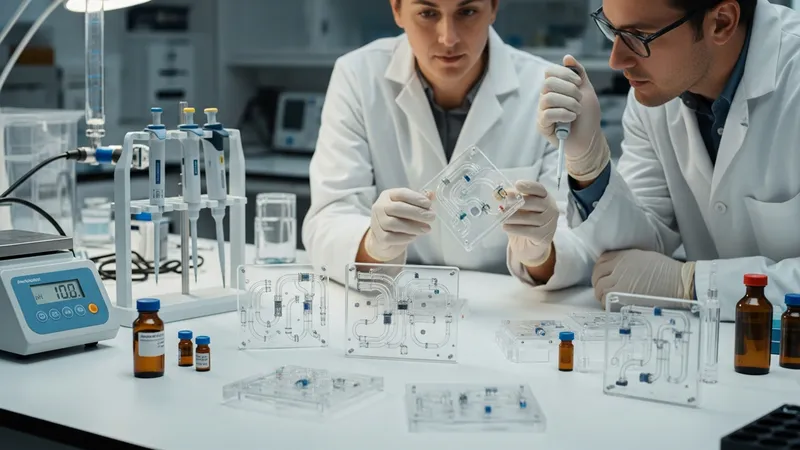
In the area of diagnostics, polymer-based microfluidic devices serve as the basis for portable and automated platforms that may analyze blood, saliva, or urine. These tools allow sample processing and detection on a compact chip, supporting decentralized testing environments such as clinics or field laboratories. Ongoing improvements in fabrication are enabling the integration of sensors, electrodes, or optical detection paths within the same device footprint.
Environmental monitoring applications utilize microfluidic polymer devices to detect pollutants, pathogens, or toxins in water and air samples. Automated sample handling and robust construction can be advantageous in remote or resource-limited settings. Furthermore, these devices can facilitate high-throughput chemical synthesis or reaction screening in industry, where miniaturization may lead to gains in speed and increased control of reaction parameters.
Across all these application areas, adaptability and scalability remain central advantages of polymer-based microfluidic platforms. Devices can be designed as disposable cartridges for single-use analysis or developed for multiple cycles of operation with cleaning protocols. Their use continues to expand as fabrication processes and polymer chemistries evolve to address specialized requirements in emerging research and industrial fields.