
Meeting Rooms: Key Differences Between Traditional And Collaborative Spaces

Occupant Engagement and Meeting Dynamics
Occupant engagement strategies vary significantly between traditional meeting rooms and collaborative environments in Hong Kong. In traditional settings, meetings often follow an agenda led by a designated speaker or chairperson. The seating arrangement usually focuses attention on the presenter, reinforcing a hierarchical communication structure. This format may be suitable for briefings, negotiations, or official presentations, but may restrict active participation by attendees not in leadership roles.
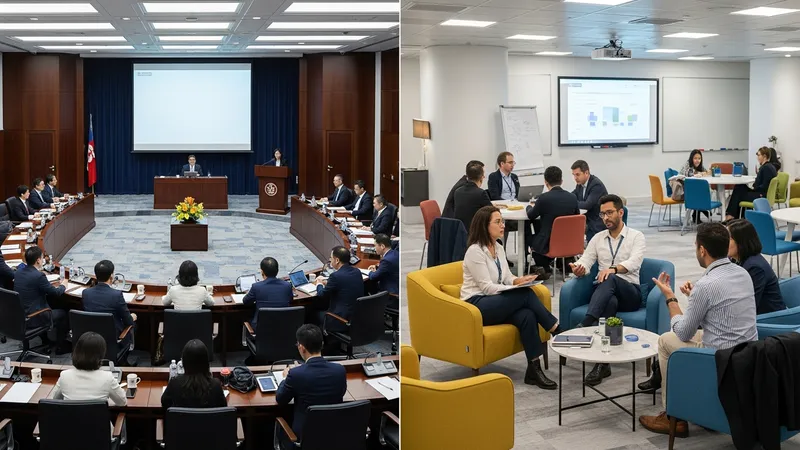
Collaborative spaces, in contrast, typically encourage equal input by removing hierarchical barriers. Round tables, group clusters, and open zones invite dialogue and may empower participants to contribute ideas freely. The physical setup can prompt spontaneous exchanges and lateral communication, particularly when supported by collaborative technology. This dynamic can be valuable during project planning sessions, creative discussions, or cross-departmental meetings.
Hybrid meeting rooms, a concept growing in Hong Kong, support multiple engagement models. By offering both formal presentation tools and informal breakout areas, these spaces enable meeting hosts to adapt engagement strategies to different objectives, such as holding a formal report followed by a workshop activity. This flexibility can help address various organizational needs within a single facility.
Designating room functions according to engagement goals is common in Hong Kong organizations. For example, executive suites may preserve a formal meeting room for sensitive discussions, while teams engaged in innovation projects may reserve open collaborative zones. Awareness of engagement styles often guides office space planning and can influence the perceived productivity of meetings in the Hong Kong professional environment.