
Meeting Rooms: Key Differences Between Traditional And Collaborative Spaces

Cost Considerations and Long-Term Value in Hong Kong
Budget allocation for meeting spaces in Hong Kong is shaped by initial fit-out costs, technology procurement, and long-term adaptability. Traditional meeting rooms generally require higher upfront investment in custom furnishings, fixed AV systems, and built-in infrastructure. These spaces are designed for longevity and may be renovated less frequently, reflecting longer depreciation cycles associated with their fixtures and finishes.
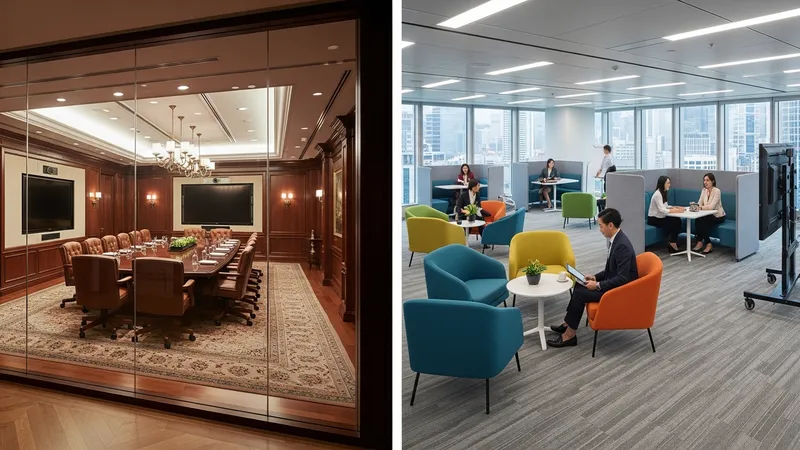
Collaborative spaces, while also requiring quality furnishings and advanced technology, are typically designed for ongoing adjustments. Moveable partitions, modular seating, and lease-based technology solutions can allow local organizations to reconfigure layouts as their needs shift. This adaptability may help amortize investment over time and align with evolving business strategies. Maintenance costs for collaborative areas can fluctuate depending on frequency of use and the lifespan of technology employed.
Operational efficiency is a recurring consideration. Traditional meeting rooms in Hong Kong may sit unused outside of scheduled appointments, contributing to less-than-optimal use of prime office real estate. Collaborative spaces, by supporting open booking systems and a variety of use cases, may improve space utilization rates and contribute to more efficient cost-per-user metrics. Organizations often analyze meeting room usage data to inform future investment or redesign decisions.
External factors, such as rental costs in central Hong Kong and demand for hybrid work solutions, influence the long-term value assessment of meeting room investments. Some businesses choose to supplement in-house facilities with third-party serviced spaces. This practice allows for scaling up or down according to need without significant capital expenditure. Organizations considering such options generally assess the trade-offs involved based on their own operational requirements and workflows.